
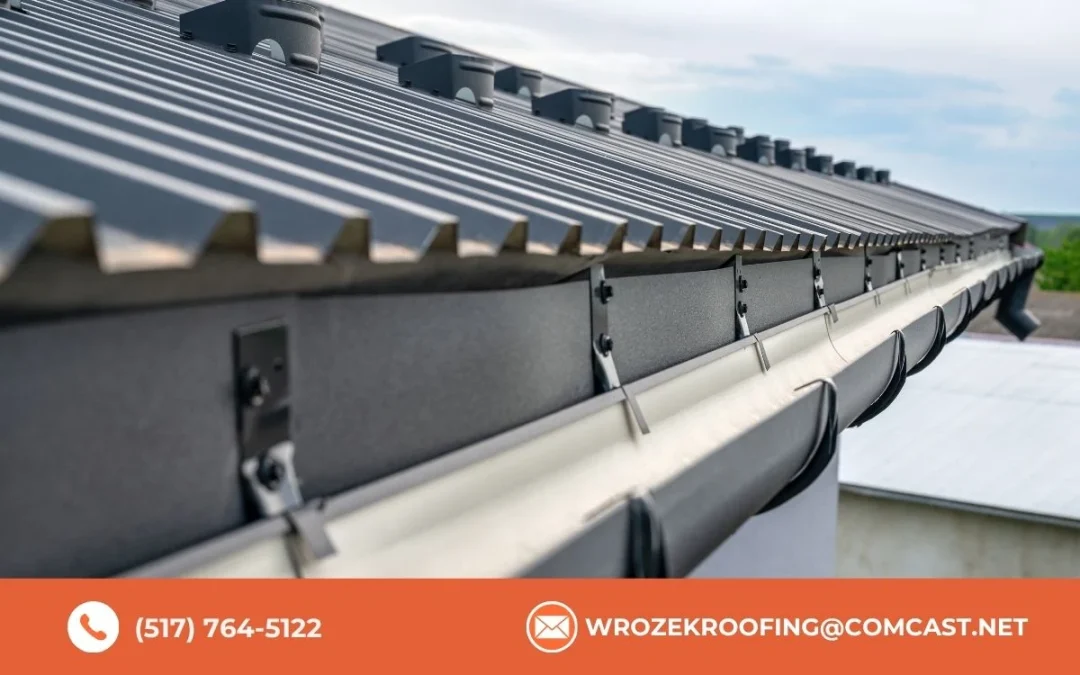
Gutters are designed to collect water from the roof and move it toward downDiscover the proper pitch for rain gutters, common slope problems, and practical tips for improving gutter drainage and protecting your home.spouts, but they cannot perform that job properly if water cannot travel through the gutter channel. This is where pitch for gutters becomes important. Gutter pitch, also called gutter slope or fall, is the slight downward angle built into the installation so that gravity continuously moves rainwater toward the downspout instead of allowing it to sit inside the gutter.
A gutter does not need a dramatic angle to work. It needs a consistent, intentional slope that supports drainage without creating an uneven installation. A commonly used installation guideline is approximately 1/4 inch of drop for every 10 feet of gutter, although the appropriate pitch can vary depending on the gutter system, layout, downspout placement, roof runoff, and manufacturer instructions.
What Is Gutter Pitch?
Gutter pitch is the vertical difference between one end of a gutter run and the other. When a gutter is installed correctly, one point is slightly higher and the gutter gradually falls toward its downspout. The difference may be small enough that it is difficult to see from the ground, but it gives rainwater a natural path to the outlet.
For homeowners, it is useful to think of gutter slope as controlled drainage rather than simply “tilting” the gutter. If the gutter is perfectly level, water can remain trapped in low spots. If the slope is inconsistent, water may collect in one section while another portion drains properly. Proper pitch for gutters creates a continuous fall so water moves instead of settling.
How Much Pitch Should Gutters Have?
A commonly recommended starting point is a 1/4-inch drop for every 10 feet of gutter. For example, a 20-foot gutter run would typically have a total fall of about 1/2 inch from the high end to the downspout. Manufacturer guidance can differ depending on the gutter profile and drainage design. So installers should always follow the specifications for the system being installed. Englert, for example, recommends approximately 1/4 inch of decline per 10 feet for typical gutter installations.
Longer gutter runs may require additional planning because a single continuous slope can create a substantial difference in height from one end to the other. In those situations, downspout placement, gutter capacity, roof area, and the overall layout become important. Rather than automatically extending one long run, a professional may determine that additional outlets or a different configuration will provide better drainage.
Why Proper Pitch for Rain Gutters Matters
The purpose of proper pitch for rain gutters is to keep water moving toward its intended outlet. When the slope is correct, rainwater has less opportunity to remain in the channel, allowing the gutter and downspout system to function as a connected drainage path. This is especially important during periods of heavier rainfall, when even minor low spots can become obvious through standing water and overflow.
Poor pitch can also contribute to secondary problems. Water that repeatedly sits inside a gutter can add weight to the system, encourage debris accumulation, and contribute to sagging or deterioration over time. Englert specifically notes that improper pitch can result in stagnation, overflow, sagging, and additional problems during colder weather when trapped water can freeze.
Read also: Granules in the Gutter: What They Can Tell You About Your Roof
What Happens When Gutters Are Too Flat?
A gutter that is too flat may look properly installed from a distance while still performing poorly. During light rainfall, the problem may not be obvious because a small amount of water can sit in the channel without immediately overflowing. During a heavier storm, however, the low section can fill faster than the water is able to move toward the downspout.
The telltale sign is often standing water in the gutter after rainfall has stopped. You may also notice dark staining, sediment or leaves consistently collecting in the same area, overflowing during storms, or water spilling over the front edge while the downspout itself appears unobstructed. These symptoms can indicate a drainage problem caused by pitch, although blockages, gutter capacity, or downspout restrictions should also be checked.
Can Gutters Be Too Steep?
The goal is not to make the gutter as steep as possible. A gutter should have a controlled fall that moves water efficiently toward the downspout while maintaining proper installation geometry. Excessive or inconsistent slope can create an obvious visual dip or rise along the fascia and may indicate that the system was installed without adequate planning.
It is therefore more useful to think about consistent pitch than maximum pitch. The exact installation should account for the gutter profile, length of the run, location of downspouts, roof drainage, and manufacturer requirements. Proper water flow comes from the relationship between those elements, not from making the gutter noticeably angled.
A Practical Gutter Pitch Example
A simple measurement can make gutter slope much easier to understand. Suppose a gutter run is 30 feet long and is intended to slope toward one downspout using the commonly referenced 1/4-inch-per-10-feet guideline.
| Gutter Run | Approximate Total Fall |
| 10 feet | 1/4 inch |
| 20 feet | 1/2 inch |
| 30 feet | 3/4 inch |
| 40 feet | 1 inch |
| 50 feet | 1 1/4 inches |
These figures are useful for understanding the concept, not as a substitute for the installation requirements of a particular gutter system. On longer runs, the physical layout, fascia conditions, outlet location, roof runoff, and manufacturer specifications should all be considered before setting the final elevation.
How to Adjust Gutter Slope
When homeowners search for how to adjust gutter slope, they are usually dealing with one of two situations: the original installation was not pitched correctly, or the gutter has shifted over time. In either case, the correction generally involves establishing the intended high and low points, releasing or repositioning the gutter supports, and securing the gutter along the corrected line.
The exact method depends on the gutter style and fastening system. Hangers or brackets may need to be repositioned, additional supports may be required, or a section may need to be removed and reinstalled. Englert recommends establishing the correct pitch with precise measurements and notes that inadequate support can contribute to sagging and loss of effective drainage.
How to Check Gutter Pitch Before Making Adjustments
Before changing an existing gutter, identify the downspout and determine the direction the gutter should drain. A level can then be used to assess whether the gutter is consistently falling toward that outlet. Rather than judging by appearance alone, establish a reference point and measure the elevation difference along the run.
It is also important to check whether the apparent slope problem is actually caused by sagging. A gutter can have the correct pitch at installation but develop a low section because a hanger has loosened or spacing is inadequate. Englert notes that hanger placement is an important factor in preventing sagging and maintaining effective water flow.
Gutter Pitch Is Only One Part of Proper Drainage
Correct slope cannot compensate for an undersized, blocked, or poorly configured gutter system. If too much roof runoff reaches a particular section, even a properly pitched gutter can overflow. Likewise, a blocked downspout can cause water to back up regardless of how accurately the gutter has been sloped.
This is why we recommend looking at the entire drainage path rather than treating gutter pitch as an isolated issue. Roof area, gutter size, gutter placement, downspout location, outlet capacity, flashing, fascia condition, and the discharge point all influence how effectively rainwater is moved away from the house. Proper roof drainage and flashing are also recognized components of roof weather protection under the International Residential Code.
Michigan Weather Makes Proper Drainage More Important
For homeowners in Jackson County and throughout Michigan, gutter performance matters throughout the year. Heavy rainfall can quickly expose low points and inadequate drainage, while winter conditions can introduce another challenge when water remains trapped inside poorly draining sections and freezes. Preventing standing water before freezing conditions arrive can reduce avoidable stress on the gutter system.
Seasonal maintenance is therefore particularly important. Before periods of heavy rain and again after severe storms, inspect gutters for debris, loose hangers, disconnected downspouts, and visible sections where water may be standing. A gutter system that looks acceptable during dry weather can reveal significant drainage problems once it is exposed to real runoff.
Repair the Pitch or Replace the Gutters?
Not every gutter with a drainage problem requires complete replacement. If the gutter material remains in good condition and the problem is limited to loose fasteners, sagging, or incorrect slope, an adjustment may be enough to restore proper drainage. In these situations, correcting the installation can be considerably more practical than replacing an otherwise serviceable system.
Replacement becomes more appropriate when drainage problems are combined with extensive corrosion, repeated seam failures, widespread deformation, damaged fascia, or a gutter system that was poorly designed for the roof in the first place. When pitch for gutters is only one of several deficiencies, it may make more sense to redesign the drainage system rather than repeatedly correcting individual symptoms.
A Simple Gutter Pitch Inspection Checklist
If you are investigating a gutter that seems to overflow or retain water, a few observations can help identify where the problem may begin:
- Check whether water remains in the gutter after rainfall.
- Confirm that the downspout and outlet are free of obstruction.
- Look for visible dips or sagging sections.
- Check whether the gutter falls toward the downspout rather than away from it.
- Inspect hangers, brackets, and fasteners for movement.
- Look for water stains or erosion beneath the gutter and downspout.
- Examine the fascia for signs of moisture damage or deteriorated attachment points.
These observations can help distinguish a simple maintenance issue from a problem with the gutter’s installation or overall drainage design.
Protect Your Home With Proper Gutter Drainage
The importance of proper pitch for rain gutters comes down to a simple objective: water needs a clear, controlled route from the roof to the downspout and away from the home. When gutters are correctly sloped, securely supported, properly sized, and connected to effective downspouts, the system has a much better chance of handling normal rainfall without standing water and unnecessary overflow.
At J. Wrozek Roofing & Home Improvements, we can inspect your roof and gutter system to determine whether poor slope, sagging, damaged components, or another drainage issue is affecting performance. We serve homeowners throughout Jackson County, Michigan, and can help with gutter repairs, installing new gutters, roofing-related drainage issues, and broader exterior water-management concerns.