
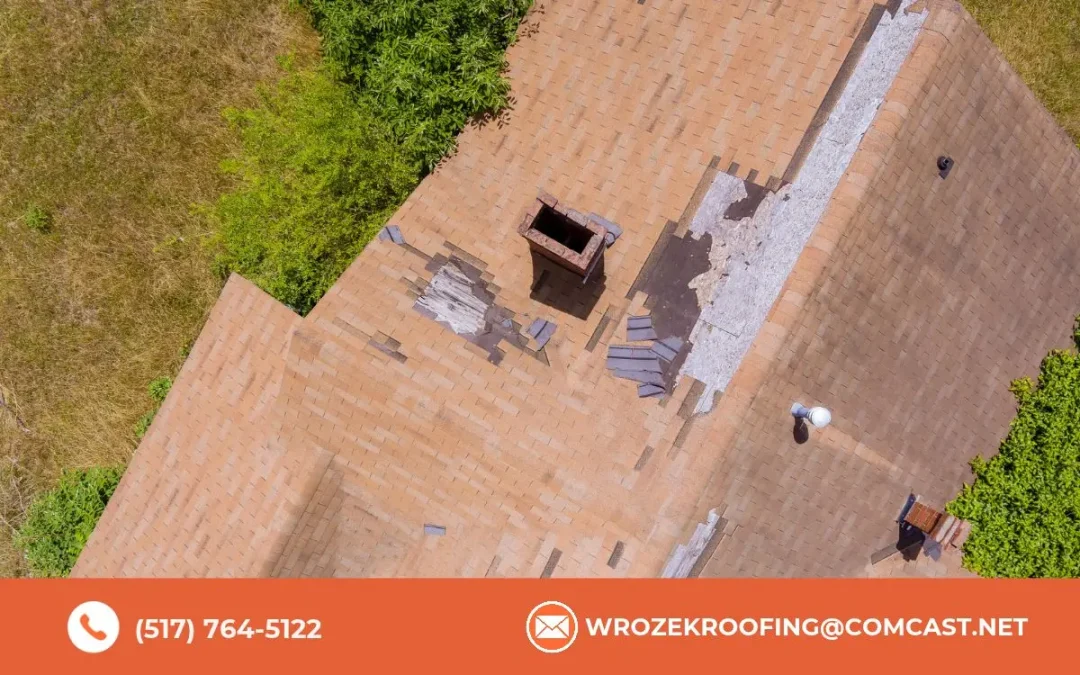
Your roof can deteriorate for years before it develops a serious leak. Missing shingles, damaged flashing, granules collecting in gutters, and water stains inside your home can all indicate that something is wrong. Recognizing these warning signs early can help you determine whether a simple repair will solve the problem or whether a complete roof replacement is becoming necessary.
However, not every sign of roof damage requires the same response. A sagging roofline may indicate a structural problem that needs immediate attention, while an aging shingle roof with minor wear may still have several serviceable years remaining. Here are seven signs your roof may be nearing the end of its useful life, ranked from the most urgent problems to the warning signs that give you time to plan ahead.
1. Your Roofline Is Sagging or the Roof Deck Feels Soft
Urgency: Critical
A sagging roofline is one of the most serious signs you need a roof replacement or structural repairs. Unlike ordinary shingle wear, a visible dip along the ridge or a section that appears to be sinking may indicate deteriorating roof decking, prolonged moisture exposure, or a structural weakness.
Water can gradually damage the wooden components beneath your roofing materials, especially when leaks remain unresolved. Over time, weakened decking may struggle to support the roof properly, and the underlying problem can extend beyond the shingles themselves.
If you notice significant sagging, avoid walking on the roof or entering a potentially unsafe attic area. Arrange an urgent professional assessment, particularly if the movement is new or worsening. If there is a sudden change, substantial deformation, or a risk of collapse, keep people away from the affected area and seek emergency assistance. A sagging roof does not automatically mean every roofing component must be replaced, but the structure needs to be evaluated before deciding on the appropriate repair.
2. Water Is Entering the House Through Multiple Areas
Urgency: Very High
An occasional leak around a damaged vent or a few missing shingles may be repairable. However, recurring leaks across different sections of the house can indicate widespread deterioration or several defects within the roofing system.
Look for brown ceiling stains, bubbling paint, damp insulation, water marks on attic rafters, or a persistent musty smell. These are common signs of roof damage, although plumbing leaks and condensation can create similar symptoms.
The more important warning is a pattern of recurring moisture. If one repair does not resolve the leak or new stains keep appearing in different rooms, the problem deserves a broader investigation.
Water intrusion should be addressed promptly because moisture can damage insulation, drywall, wood framing, and other interior materials. If a ceiling is bulging with water, stay clear of the area. Do not touch wet electrical fixtures, and arrange appropriate professional help. When several areas are affected, a roofing contractor should determine whether targeted repairs will be sufficient or whether the roofing system has deteriorated enough to justify replacement.
3. Large Sections of Shingles Are Missing or Storm-Damaged
Urgency: High
Missing, torn, or severely damaged shingles can leave the protective layers beneath them exposed to rain, wind, and moisture. A roof may develop this type of damage after strong winds, hail, falling branches, or severe weather. A few missing shingles do not necessarily mean you need a new roof. If the surrounding shingles remain flexible and securely attached, replacing the affected sections may restore the roof’s protection.
The situation becomes more concerning when damage extends across multiple slopes, the underlayment is exposed, or neighboring shingles have also become loose or brittle. Widespread storm damage can indicate that the roofing system is no longer holding up reliably.
After a significant storm, arrange an inspection rather than attempting to climb onto a damaged roof yourself. Temporary protection may be necessary to prevent further water intrusion while permanent repairs are assessed. For homeowners in Jackson County, Michigan, changing temperatures, winter ice, strong winds, and seasonal storms make it particularly important to identify storm-related damage before another round of severe weather arrives.
4. Flashing Is Failing and Leaks Keep Returning
Urgency: High
Flashing is installed around vulnerable roof transitions, including chimneys, skylights, plumbing vents, valleys, and roof-to-wall connections. Its purpose is to direct water away from areas where the roofing surface is interrupted. When flashing separates, corrodes, cracks, or becomes improperly sealed, water can enter the roofing system even if the surrounding shingles look relatively sound.
A single flashing defect may be corrected without replacing the entire roof. However, recurring leaks around several roof penetrations, repeated failures after previous repairs, or widespread deterioration of the surrounding materials suggest a more extensive problem.
Pay attention to the repair history as well. If the same area has been patched several times without a lasting improvement, the original cause may not have been properly addressed. A thorough inspection should establish whether the flashing needs replacement, the surrounding roofing materials need repair, or the damage extends far enough to make a new roof the more dependable option.
5. Shingles Are Curling, Cracking, or Buckling Across Large Areas
Urgency: Moderate to High
Asphalt shingles gradually age after years of exposure to sunlight, temperature changes, moisture, and wind. Some minor surface changes may occur without immediately affecting performance, but widespread curling, cracking, or buckling is more concerning.
Curling shingles have edges that lift away from the roof surface. Cracked shingles may lose their ability to shed water reliably, while buckling can create uneven raised areas that interfere with proper drainage.
The extent of the damage is what matters most. A handful of damaged shingles may be replaced individually, but when these problems appear across multiple roof sections, the surrounding materials may also be approaching the end of their service life.
Do not judge the roof solely by its appearance from inside the house or from the ground. A professional inspection can help identify whether the damage is localized, related to ventilation or installation problems, or part of a broader aging pattern. If widespread shingle deterioration occurs alongside recurring leaks or substantial granule loss, replacement deserves serious consideration.
6. Excessive Shingle Granules Are Collecting in Your Gutters
Urgency: Moderate
Asphalt shingles contain mineral granules that help protect the underlying asphalt from sunlight and weather exposure. Some loose granules are normal, particularly when shingles are relatively new, but substantial granule loss can indicate that the roofing material is wearing down.
Look for unusually large accumulations of gritty material in gutters and downspouts. You may also notice areas on the shingles where the protective surface has worn away and the darker asphalt beneath is exposed.
A small amount of granule loss alone does not establish that a roof needs replacement. However, widespread bare patches combined with brittle shingles, cracks, or recurring leaks are stronger signs that the roofing material is losing its ability to provide reliable protection. If your roof is older and several of these symptoms appear together, arrange an inspection to estimate its remaining service life.
7. Your Roof Is Approaching the End of Its Expected Lifespan
Urgency: Plan Ahead
Roof age is an important clue, even when there are no obvious leaks. The life expectancy of roof shingles depends on the specific product, installation quality, attic ventilation, roof design, weather exposure, and maintenance history.
As a general planning guide, many asphalt-shingle roofs have an expected service life of roughly 15 to 30 years, although actual performance can fall outside that range. Basic three-tab shingles and higher-grade architectural shingles can have different expected lifespans, and severe weather or poor installation may accelerate deterioration.
If you do not know when your roof was installed, look through home purchase records, previous roofing invoices, or available permit records. The age of the house itself does not necessarily reveal the age of the current roofing system. An older roof can sometimes remain serviceable with localized repairs, while a younger roof may need significant work after storm damage or installation problems.
The most reliable approach is to evaluate the roof’s age alongside its visible condition, repair history, and any evidence of moisture intrusion. When replacement appears likely within the next few years, early planning gives you more time to compare materials, obtain estimates, and schedule the work before an emergency forces a decision.
How to Know if You Need a New Roof or Just a Repair
Seeing one warning sign does not automatically mean your entire roof needs replacement. The decision depends on how widespread the damage is, whether the underlying structure remains sound, and how effectively the problem can be corrected.
| Roof condition | Likely next step |
| A few missing shingles on an otherwise sound roof | Repair the affected area |
| A localized leak around flashing | Repair or replace the defective flashing |
| Isolated storm damage | Inspect and repair the affected sections |
| Widespread curling, cracking, or bare shingle areas | Evaluate the roof for replacement |
| Repeated leaks in several locations | Arrange a comprehensive roof inspection |
| Sagging roofline or damaged decking | Obtain an urgent structural assessment |
The best decision comes from evaluating the entire roofing system rather than focusing on a single symptom. Repeatedly repairing an aging roof may cost more over time than replacing it, but replacing a roof that only needs a localized repair can create an unnecessary expense.
Final Thoughts
Your roof usually provides warning signs before it reaches the end of its useful life. Paying attention to structural changes, recurring leaks, storm damage, deteriorating shingles, and excessive granule loss can help you determine when professional attention is needed.
The key is to respond according to urgency. Structural concerns and active water intrusion require prompt action, while gradual wear and roof age give you an opportunity to plan. If your roof is showing several warning signs, schedule a professional inspection to determine whether repairs will restore reliable protection or a complete roof replacement is the better long-term investment.