
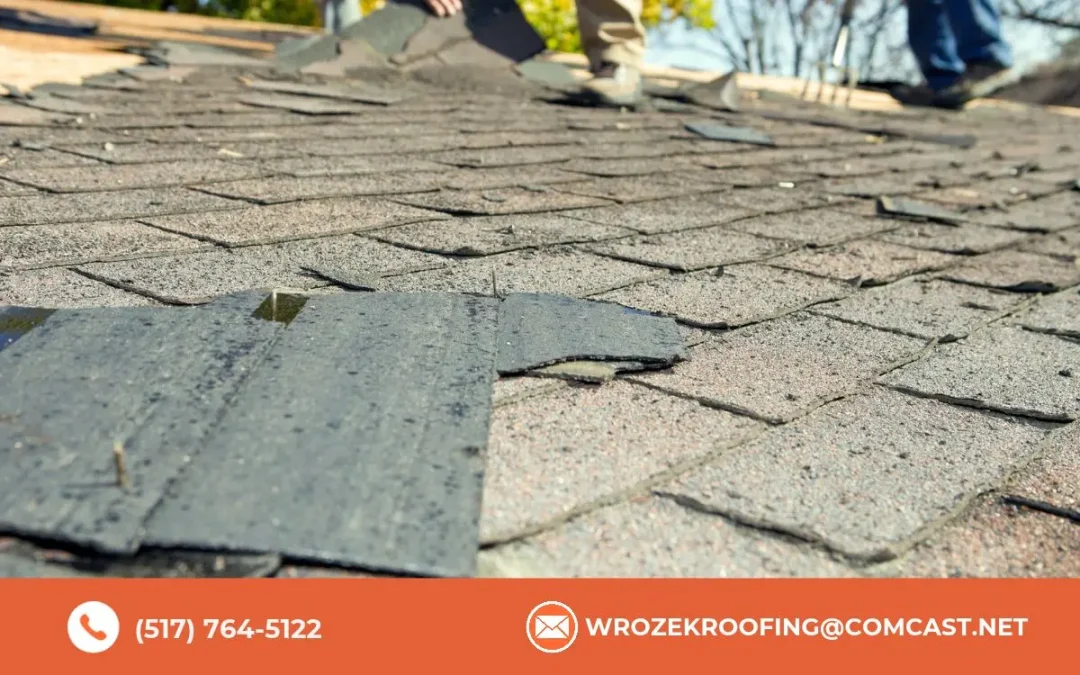
A leaking roof does not always require a complete replacement. In many cases, a properly completed roof patch repair can fix localized damage and help extend the life of an existing roof. However, when leaks keep returning or new problems appear in different areas, homeowners need to consider whether repeated repairs are still worthwhile.
So, can a roof be patched over and over? Yes, but there is no fixed limit to how many times a roof can be patched. The decision depends on the roof’s age, material, overall condition, and the cause of the damage. A few isolated repairs may be perfectly reasonable, while repeated patches on a deteriorating roof may only delay a more expensive problem.
How Many Times Can You Patch a Roof?
A roof can be patched several times throughout its service life, provided the surrounding materials remain in good condition and each repair addresses the actual source of the problem. For example, replacing a few shingles damaged by strong winds may be enough to restore protection without affecting the rest of the roof. Similarly, a small puncture in a suitable flat roofing membrane can often be repaired with compatible patching materials.
The situation changes when leaks repeatedly develop in the same area, new leaks appear after every storm, or the roofing material begins to crack, curl, or deteriorate across larger sections. Rather than counting previous patches, consider whether the roof remains structurally sound and whether another repair is likely to provide lasting protection.
When Does Roof Patch Repair Make Sense?
Roof patch repair is most effective when the damage is limited to a clearly identifiable area. The surrounding roofing material should be sound enough to support the repair, and any underlying damage must be addressed. Common situations where patching may work include:
- A few missing or damaged shingles.
- A small puncture in a compatible flat roofing membrane.
- A minor leak around flashing or a roof penetration.
- Localized damage caused by wind, falling branches, or other isolated incidents.
However, a patch may not be sufficient when the roof has widespread deterioration, damaged decking, recurring leaks in several locations, or extensive water damage beneath the surface. A professional inspection can help determine whether the problem requires a simple repair, replacement of a larger section, or a complete new roofing system.
Choosing the Right Roofing Patch Material
The best roofing patch material depends on the existing roof type and the damage being repaired. Using an incompatible product can lead to poor adhesion, premature failure, or additional water intrusion.
- Roofing cement: Often used for certain asphalt-shingle repairs, flashing details, and small localized defects. It can help seal specific areas but should not be used as a substitute for replacing severely damaged materials.
- Self-adhesive roofing membrane: Suitable for certain compatible flat roofs and localized punctures. Proper surface preparation and sufficient overlap are essential for a dependable repair.
- Rubber roofing patches: Designed for compatible membrane systems, including some EPDM roofs. These repairs may require specific primers, adhesives, or seam tapes.
- Flashing repair materials: Appropriate for certain gaps or defects around chimneys, vents, skylights, and roof-to-wall connections. Corroded or incorrectly installed flashing may need replacement rather than another layer of sealant.
- Roof coatings and reinforcing fabric: Used in selected roofing systems to reinforce suitable repair areas or restore protective surfaces. They cannot compensate for a damaged roof deck or a roofing system that has deteriorated extensively. Before applying any roofing patch material, check that it is compatible with the existing roof and follow the manufacturer’s installation instructions.
Why Do Roof Patches Keep Failing?
Repeated patch failures often indicate that the original problem has not been properly resolved. One common cause is misidentifying the leak. Water can travel beneath roofing materials before appearing on an interior ceiling, meaning the visible stain may be some distance from the actual entry point. Sealing the wrong area will not stop the water from entering elsewhere.
Another problem is deteriorating roofing material. A patch applied to a brittle, cracked, or poorly bonded surface may not remain secure for long. Even a suitable repair product can fail when the surrounding material can no longer provide a reliable surface. Poor drainage can also contribute to recurring leaks. Blocked gutters, clogged drains, or areas where water collects may repeatedly expose vulnerable sections to moisture.
Finally, the damage may extend beneath the visible roof covering. If the underlayment, insulation, or wooden decking has deteriorated, a surface patch alone will not resolve the entire problem. The solution is to identify what caused the failure and correct it before applying another patch.
Signs You May Need Roof Replacement Instead
There is no single number of repairs that automatically means a roof needs replacement. However, several warning signs suggest that continued patching may no longer be practical.
Pay attention if the same leak returns shortly after repair, several unrelated areas begin leaking, shingles are curling or losing substantial amounts of granules, or the roofing membrane is cracking across large sections. Interior warning signs also matter. Expanding ceiling stains, damp insulation, persistent musty odors, and damaged roof decking may indicate ongoing water intrusion.
When these problems appear together, arrange a thorough inspection rather than approving another quick patch. The goal is to determine whether the remaining roof can provide reliable service after repairs or whether replacement would be a better long-term investment.
Is It Cheaper to Keep Patching a Roof?
A roof patch usually costs less upfront than replacing an entire roofing system. However, repeated repair expenses can accumulate, particularly when the same underlying problem continues to cause leaks.
If a relatively new roof has one isolated defect, repairing it is often the sensible option. But if an aging roof requires frequent repairs across several areas, the combined cost may make replacement more economical over time.
Consider the expected durability of the proposed repair, the condition of the surrounding materials, and the likelihood of additional problems. Ask your roofing contractor to explain what the repair includes, whether underlying damage will be addressed, and what warranty applies. The cheapest immediate fix is not always the least expensive solution over the roof’s remaining service life.
Can You Put a New Patch Over an Existing Roof Patch?
Sometimes, but adding another layer over an old patch does not guarantee a lasting repair. If the original patch remains secure and the underlying problem has been identified, a compatible repair system may be suitable. However, a failed patch may need to be removed so the damaged area can be inspected and repaired properly.
Repeatedly applying roofing cement or sealant over the same location can conceal deterioration without correcting it. It may also create an uneven surface or interfere with drainage. For asphalt shingles, replacing the damaged shingles is often more dependable than repeatedly coating them. For flat roofs, the appropriate method depends on the membrane type and the condition of the existing seams and surface.
How Can You Reduce the Need for Repeated Roof Repairs?
Regular maintenance helps identify minor problems before they develop into expensive damage. Inspect the roof periodically, especially after severe weather, and keep gutters and drainage systems clear. Pay attention to flashing around chimneys, vents, skylights, and roof edges because these areas are common sources of water intrusion. Keep a record of previous repairs, including the materials used and the locations where leaks occurred. This information can help identify recurring problems.
Avoid applying generic sealants or coatings without confirming that they are suitable for the existing roofing material. When damage is difficult to locate or involves a steep roof, concealed moisture, or deteriorating decking, seek professional assistance rather than attempting an uncertain repair.
Frequently Asked Questions
Can a roof be patched indefinitely?
No roof should be assumed to be repairable indefinitely. Multiple repairs may be reasonable while the surrounding materials remain sound, but widespread deterioration or recurring leaks may eventually make replacement necessary.
How long does a roof patch last?
The lifespan depends on the repair method, material compatibility, installation quality, and condition of the surrounding roof. A properly repaired section may last for years, while a temporary sealant can fail much sooner.
Is roofing cement enough to stop a leak?
Roofing cement can help with certain localized defects, but it is not suitable for every roofing problem. Damaged shingles, failed flashing, and deteriorated membranes may require replacement or a more extensive repair.
Should I keep repairing an old roof?
That depends on its condition rather than age alone. If the damage is isolated and the rest of the roof remains serviceable, repair may still be worthwhile. If leaks and deterioration are widespread, compare the cost of further repairs with a replacement estimate.
Final Thoughts
A roof can be patched more than once, and repeated repairs do not necessarily mean the entire roof has failed. When damage is isolated and the surrounding roofing materials remain in good condition, patching can be a practical way to maintain protection without replacing the whole system. However, if leaks keep returning, new problems appear in different locations, or the roof has deteriorated extensively, another patch may only postpone the inevitable.
Before paying for another roof patch repair, determine whether the work will correct the underlying problem or simply cover its symptoms. A proper inspection and a repair strategy suited to the roof’s condition can help you avoid unnecessary expenses and make a more informed decision about replacement.