
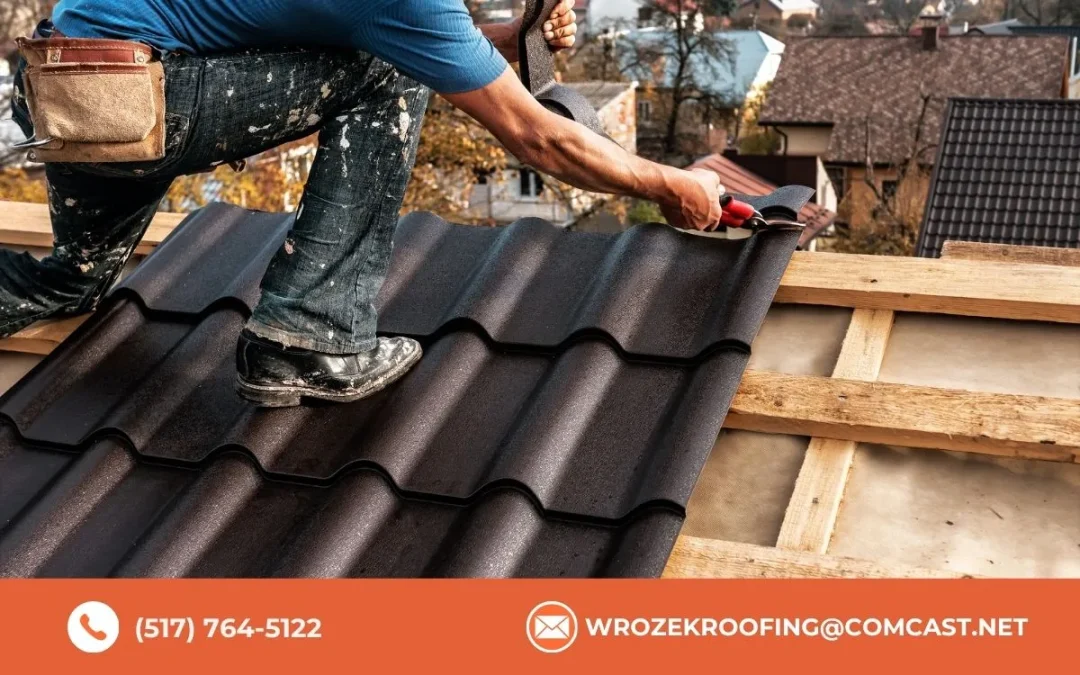
When most homeowners think about a roof, they picture shingles, metal panels, or another visible roofing material. What is often overlooked is the protective layer installed underneath those materials. Underlayment for roofing plays an important role in helping protect the roof deck from moisture while providing an additional layer of defense between the exterior roofing system and the structure of the home. Although it remains hidden after installation, its performance can have a meaningful effect on the durability and reliability of the entire roof.
Understanding the importance of roofing underlayment can also help homeowners make better decisions when repairing or replacing a roof. Underlayment or subflooring is not simply an optional material added beneath shingles; it is an important component of a properly installed roofing system. The right product, installed correctly, can help manage moisture, protect vulnerable areas, and provide additional coverage when the outer roofing material is exposed to severe weather or develops minor deficiencies.
What Is Roofing Underlayment?
Roofing underlayment is a protective material installed over the roof deck and beneath the primary roofing covering. Depending on the roofing system, it may be made from asphalt-saturated felt, synthetic materials, or specialized membranes designed for particular applications. Its primary purpose is to create a secondary moisture-resistant layer so water that gets beneath the outer roofing material has another barrier to cross before reaching the roof deck and interior of the home.
The role of underlayment for roofing becomes particularly important because no roof covering provides an absolute guarantee against water intrusion. Wind-driven rain, melting snow, damaged shingles, flashing problems, and installation imperfections can allow moisture to reach areas beneath the visible roofing surface.
Why Does Roofing Underlayment Matter?
The importance of roofing underlayment becomes easier to understand when you consider what happens if moisture reaches the roof deck. Repeated exposure to water can contribute to wood deterioration, mold growth, staining, insulation problems, and damage that may eventually extend into the interior of the house. Underlayment helps reduce that risk by providing another protective barrier below the primary roofing material.
Subflooring can also contribute to the longevity of the roofing system by protecting the deck during installation and between stages of a roofing project. Depending on the product and installation method, it can remain temporarily exposed for a limited period before the final roof covering is installed.
What Types of Roofing Underlayment Are Available?
There are several types of underlayment for roofing, and they are not interchangeable in every application. Traditional asphalt felt has been used for decades and remains a familiar option, while synthetic underlayments are now widely used because of their strength, lighter weight, handling characteristics, and resistance to tearing. Specialized membranes are also available for areas of the roof that require enhanced protection or particular installation methods.
The best roof underlayment depends on the roofing material, roof design, local climate, manufacturer requirements, and the specific conditions of the project. A material that works well beneath asphalt shingles may not be appropriate for every low-slope area, metal roofing system, or specialty application.
| Underlayment Type | Typical Characteristics | Common Applications | Key Advantages | Important Considerations |
|---|---|---|---|---|
| Asphalt-Saturated Felt | Traditional felt material available in different weights | Commonly used beneath asphalt shingles | Familiar, widely available, and proven over many years | Can be heavier and more prone to tearing than many synthetic products |
| Synthetic Underlayment | Engineered polymer-based material designed for durability | Asphalt shingles and various modern roofing systems | Lightweight, strong, moisture-resistant, and generally easier to handle | Product specifications and compatibility vary by manufacturer |
| Self-Adhering Membrane | Adhesive-backed waterproof membrane | Valleys, eaves, penetrations, and other vulnerable areas | Strong moisture protection and secure adhesion | Usually costs more and requires careful surface preparation and installation |
| Specialty Underlayment | Materials designed for specific roofing systems or conditions | Metal roofs, low-slope areas, or specialized applications | Performance can be tailored to a particular roof assembly | Must be selected according to the roofing system and manufacturer’s requirements |
Asphalt Felt Underlayment
Asphalt-saturated felt is one of the traditional forms of roofing subflooring and has been used with shingle roofing systems for many years. It is generally available in different weights and provides a familiar secondary moisture barrier between the roof deck and shingles. For certain roofing applications, it remains a practical and proven choice when installed according to the roofing manufacturer’s requirements.
However, traditional felt is not automatically the best roof underlayment for every modern roofing project. Compared with many synthetic products, felt can be heavier and more susceptible to tearing or damage during handling and installation.
Synthetic Roofing Underlayment
Synthetic underlayments are manufactured from engineered materials designed to provide strength, moisture resistance, and durability while remaining relatively lightweight. They are commonly used beneath asphalt shingles and other roofing materials, and many products are designed to resist tearing, wrinkling, and exposure to job-site conditions better than some traditional felt products.
For many modern roofing installations, synthetic material can be an attractive option because it combines practical installation characteristics with reliable secondary protection. Even so, choosing the best roof underlayment is not simply a matter of selecting the most advanced-looking product. The roofing contractor needs to consider the roof covering, slope, fastening method, ventilation, local conditions, and applicable manufacturer specifications before making the final decision.
Where Underlayment Provides Extra Protection
Although underlayment covers the roof deck, certain areas of a roof can require additional attention because they are more vulnerable to water intrusion. Valleys, eaves, penetrations, and other transition points can experience increased exposure to runoff and wind-driven moisture. Specialized waterproof membranes may be used in some of these areas depending on the roofing system and installation requirements.
This is another reason the importance of roofing subflooring should be considered as part of a complete system rather than as a single sheet of material covering the roof. Correct placement, overlaps, fastening, sealing, and integration with flashing all influence how well the underlayment performs.
How Weather Affects Roofing Underlayment
Weather conditions are one of the reasons underlayment needs to be selected and installed carefully. In regions that experience strong winds, heavy rainfall, freezing temperatures, and seasonal changes, the roofing system must be able to handle moisture and movement over time. Underlayment provides an additional protective layer that can become particularly valuable when weather pushes water beneath the visible roofing material.
For homes in areas such as Jackson County and throughout Michigan, changing seasonal conditions make proper roof installation especially important. Snow, ice, rain, and repeated freeze-thaw cycles can place stress on different roofing components, making moisture management an essential consideration.
How to Choose the Best Roof Underlayment
There is no universal product that can accurately be called the best roof underlayment for every home. The right choice depends on the roofing material, slope, climate, roof design, manufacturer specifications, local building requirements, and the areas of the roof that require additional waterproofing. A qualified roofing contractor can evaluate those factors and recommend an underlayment that fits the entire system.
Homeowners should also avoid choosing subflooring based solely on price. Saving money on a hidden roofing component may seem attractive during a replacement project, but the material still contributes to moisture protection and long-term roof performance.
Common Problems Caused by Poor Underlayment Installation
Even quality underlayment can fail to provide its intended protection if it is installed incorrectly. Improper overlaps, exposed fasteners, wrinkles, inadequate coverage, damaged sections, or poor integration with flashing can create pathways for water. In some cases, installation problems may remain hidden until moisture eventually reaches the roof deck or interior of the home.
This is why professional installation matters just as much as material selection. The importance of roofing underlayment is not simply about what product is placed beneath the shingles; it is also about how that product is integrated into the roofing system.
How Underlayment Works With the Rest of Your Roof
A roof is made up of multiple components that need to work together. Shingles or panels provide the primary exterior protection, flashing directs water around vulnerable transitions, ventilation helps manage heat and moisture in the attic, and the roof deck provides the structural base. Underlayment for roofing adds another protective layer between that deck and the exterior covering.
When all of these components are installed correctly, they create a more dependable roofing system than any individual material could provide on its own. Underlayment should therefore be considered during roof replacement or major repair as part of the overall system design. Choosing compatible materials and following proper installation practices can help reduce moisture-related risks and support long-term roof performance.
Protect Your Roof With the Right Underlayment
The material beneath your shingles may not be visible once the project is complete, but it still plays an important role in protecting your home. Understanding the importance of roofing underlayment gives homeowners a better picture of what goes into a properly installed roofing system and why contractors pay attention to materials that will eventually disappear beneath the finished roof.
If you are planning a roof replacement or repair in Jackson County, our team at J. Wrozek Roofing & Home Improvements can evaluate your existing roof and help determine the appropriate subflooring and installation approach for the project. We have protected homes throughout the area for decades and understand the importance of building roofing systems designed to handle Michigan weather. Contact us today at (517) 764-5122 to discuss your roofing project and learn more about the right protection for your home.