
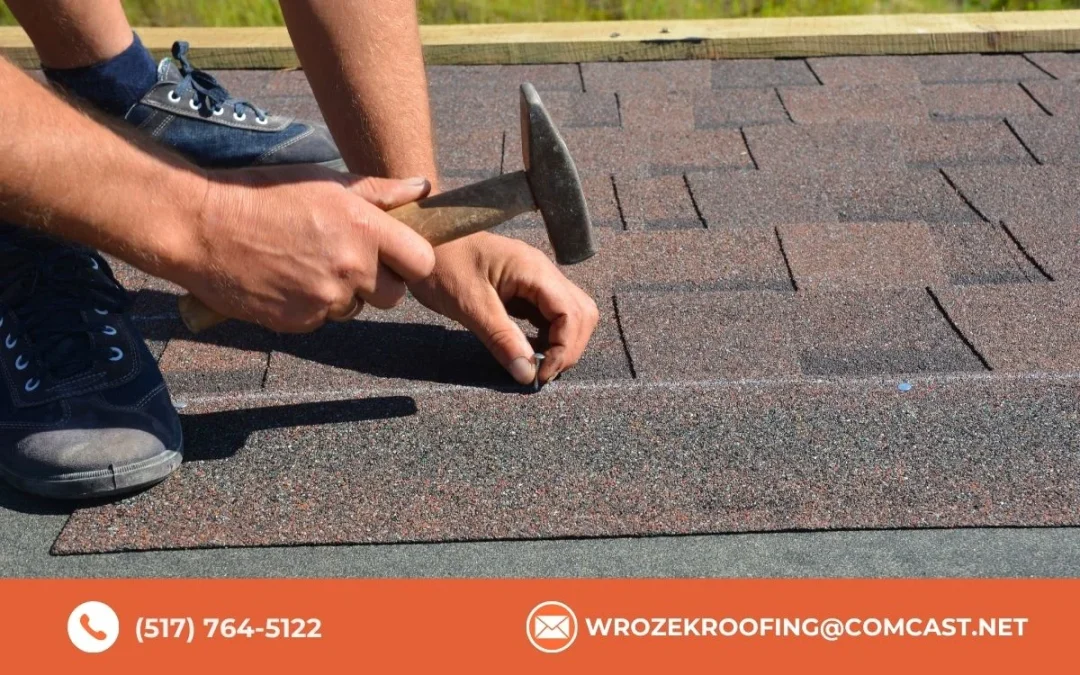
A roof may look simple from the outside, but the small components holding its materials in place play an important role in its performance. Roof fasteners and nails secure shingles, metal panels, underlayment, flashing, and other roofing components to the structure. When the correct fastener is selected and installed properly, it helps the roofing system withstand wind, rain, temperature changes, and everyday exposure.
Choosing the right fastener is not simply a matter of picking a nail that fits. Different roofing materials require different fastening methods, and factors such as nail length, material, corrosion resistance, placement, and fastening pattern can affect how well the roof performs. Understanding roofing nail types and roof sheet fixings can help homeowners recognize why installation details matter when a roof is installed or repaired.
What Are Roof Fasteners and Nails?
Roof fasteners and nails are the components used to attach roofing materials securely to the roof structure. On asphalt shingle roofs, roofing nails are commonly driven through designated areas of the shingles and into the roof deck. Other roofing systems may use screws, clips, specialty fasteners, or other fixing systems designed specifically for the material being installed.
The fastener needs to work as part of the complete roofing system rather than simply hold a material temporarily in place. Its length, diameter, head size, corrosion resistance, and installation depth all need to be appropriate for the roofing material and underlying structure. A fastener that is too short may not provide adequate holding power, while an incorrectly installed fastener can create vulnerabilities even when the correct product was selected.
Understanding Different Roofing Nail Types
There are several roofing nail types, and their applications can vary depending on the roofing material and installation requirements. Common roofing nails may feature galvanized or corrosion-resistant finishes, while some systems require specialized fasteners designed to withstand particular environmental conditions. Nail head size and shank design can also influence how securely the roofing material is held.
The correct choice should be based on the roofing manufacturer’s requirements and the specific installation. Using an unsuitable nail simply because it appears similar to the recommended product can affect the roof’s performance. A professional roofer can identify the appropriate roofing nail types for the project and ensure that the fasteners meet the requirements of the roofing system.
Why Nail Length and Penetration Matter
A roofing nail needs enough length to penetrate the roofing material and securely engage with the roof deck or approved structural component beneath it. If a nail does not penetrate far enough, its holding strength may be reduced, particularly when the roof is exposed to strong winds or repeated movement caused by temperature changes.
At the same time, simply using a longer nail is not automatically better. Fastener selection must account for the thickness of the roofing material, the roof deck, and the manufacturer’s installation specifications. Proper roof fasteners and nails should provide sufficient penetration without creating unnecessary problems elsewhere in the roofing assembly.
Why Proper Nail Placement Is Important
Correct placement is just as important as selecting the right nail. Roofing materials often have specific fastening zones that are designed to provide the necessary holding power without compromising the material’s ability to shed water. Nails placed too high, too low, too close to an edge, or outside the recommended fastening area may not secure the material correctly.
Underdriven and overdriven nails can also create problems. A nail driven too deeply can damage the roofing material, while a nail that remains raised may interfere with the proper installation of overlapping materials. Consistent placement is therefore an important part of ensuring that roof fasteners and nails perform as intended.
What Are Roof Sheet Fixings?
Roof sheet fixings are fastening systems used to secure sheet-based roofing materials, including metal roofing panels and other roofing sheets. Unlike traditional shingle installations, sheet roofing may require screws with washers, specialized clips, or other fasteners designed to accommodate the material’s movement and profile.
The fixing method depends on the type of sheet, its thickness, the supporting structure, and the manufacturer’s installation requirements. Correct roof sheet fixings help keep panels securely attached while maintaining the weather-resistant characteristics of the roofing system. Incorrect fixing locations or unsuitable fasteners can create both structural and water-resistance problems.
Why Corrosion Resistance Matters
Roof fasteners are exposed to moisture and changing weather conditions throughout their service life, making corrosion resistance an important consideration. A fastener that deteriorates prematurely can lose strength and potentially compromise the material it was intended to secure. The risk can be greater in environments with frequent rainfall, high humidity, or other corrosive conditions.
The appropriate level of corrosion resistance depends on the roofing material and local environment. Galvanized and other corrosion-resistant roof fasteners and nails are commonly used in roofing applications, but not every coating or fastener is suitable for every roof. Compatibility between the fastener, roofing material, and surrounding components should always be considered.
Common Problems Caused by Incorrect Fastening
Fastening problems may not be obvious immediately after a roof is installed. A roof can look finished while incorrectly installed nails or roof sheet fixings remain hidden beneath or alongside the roofing materials. Over time, movement, wind, moisture, and temperature changes can expose weaknesses in the installation.
Common problems associated with improper fastening include:
- Nails that are underdriven or overdriven into roofing materials.
- Incorrect roofing nail types used for the roofing system.
- Fasteners that are too short or have inadequate penetration.
- Incorrect spacing or placement of roof sheet fixings.
- Corroded or incompatible fasteners that deteriorate prematurely.
These issues can contribute to loose roofing materials, water intrusion, premature wear, and reduced resistance to severe weather. Correcting fastening problems early can help prevent a relatively small installation defect from becoming a larger roofing repair.
How Fasteners Affect Roof Performance
A roofing system has to withstand more than its own weight. Wind can create uplift forces, rain can exploit small openings, and repeated heating and cooling can cause roofing materials to expand and contract. Properly selected roof fasteners and nails help transfer these forces into the underlying structure while keeping the roofing materials securely positioned.
Fasteners are therefore an important part of the roof’s overall performance, even though most are not visible once installation is complete. A roof with high-quality materials can still experience problems if the fastening system is incorrectly selected or installed. Proper installation ensures that the individual components work together rather than relying solely on the roofing material itself.
When Should Roof Fasteners Be Inspected?
Fasteners deserve particular attention when a roof is being installed, repaired, or replaced. They should also be evaluated when roofing materials appear loose, panels are shifting, shingles are lifting, or there are unexplained signs of water intrusion. In some cases, fastening problems can be identified during a professional roof inspection before they result in more obvious damage.
If you are replacing roofing materials, ask the roofing professional which roofing nail types or roof sheet fixings will be used and why they are appropriate for the system. Understanding the fastening method provides useful insight into the quality of the installation and helps ensure that the components beneath the finished roof receive the same attention as the visible materials.
Proper Fasteners Help Build a More Reliable Roof
Roofing materials can only perform as well as their installation allows. The right roof fasteners and nails provide secure attachment, while correct placement, penetration, spacing, and corrosion resistance help protect the roofing system throughout its service life. For sheet roofing, selecting appropriate roof sheet fixings is equally important because the fasteners must work with the design and movement characteristics of the panels.
Whether you are comparing roofing nail types, replacing damaged shingles, or installing a new sheet roofing system, fastening details should never be treated as a minor part of the project. Using the correct fasteners and following the roofing manufacturer’s installation requirements can help improve durability, weather resistance, and the overall performance of the finished roof.