
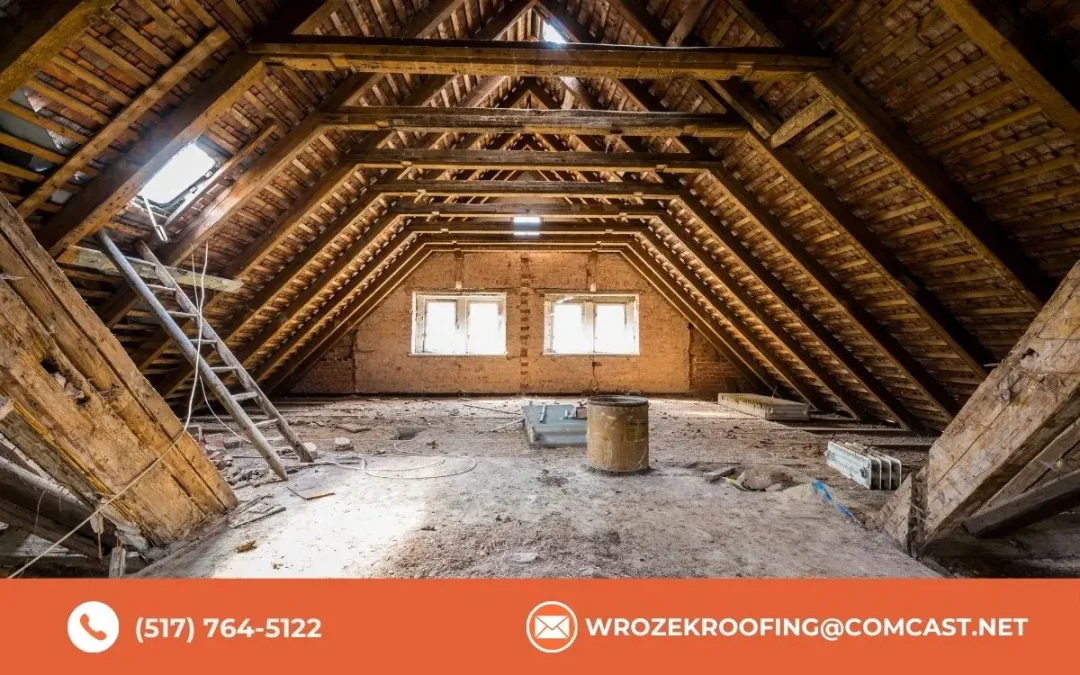
Since we know, roof damage is not always visible from the outside. Shingles may appear intact from the ground while water has already entered beneath the roofing system and begun affecting the attic, insulation, or roof decking which is not visible at first. This is why identifying hidden roof damage should include an inspection of the attic, particularly after heavy rain, high winds, or a major storm.
Knowing what to look for inside the attic can help homeowners recognize problems before they develop into extensive structural or interior damage. Signs of hidden storm damage to roof after hurricane conditions may include water stains, damp insulation, damaged decking, displaced materials, and unusual light entering through the roof. Therefore, early detection can also make storm damage restoration hidden roof leaks easier to address before moisture spreads further through the home.
Why Roof Damage Can Remain Hidden
A roof does not have to show obvious exterior damage for water to enter the roofing system. Wind can loosen shingles or flashing without completely removing them, while damaged seals and small openings can allow rain water to penetrate beneath the surface. Water may then travel along the underside of the roof deck before appearing somewhere away from the original point of entry.
This makes identifying hidden roof damage more difficult than simply looking for missing shingles. Some leaks only become noticeable during heavy rainfall, while others leave gradual evidence in the attic over days or weeks. Inspecting the underside of the roof can reveal moisture-related problems that may not yet be visible inside the living areas.
Look for Water Stains on the Roof Deck
One of the most recognizable signs of a hidden roof leak is discoloration on the underside of the roof decking. Brown, yellow, or dark stains can indicate that water has entered through the roofing system and repeatedly reached the same area. Fresh moisture may appear darker or damp, while older leaks can leave rings or irregular staining.
Water stains should not automatically be assumed to come from the exact spot directly above them. Water can travel along rafters, decking, insulation, or other surfaces before dripping into the attic. For this reason, identifying hidden roof damage requires looking at the surrounding roofing area rather than focusing only on the most obvious stain.
Check the Attic After Severe Weather
After a hurricane, tropical storm, or severe wind event, the attic can provide important evidence about damage that may not be visible from outside as discussed earlier. Signs of hidden storm damage to roof after hurricane conditions can include wet insulation, stained decking, loose roofing components, damaged flashing, and areas where water has entered around roof penetrations.
A storm does not need to remove an entire section of shingles to create a leak. Wind-driven rain can enter through lifted or damaged materials, while debris impact can create small openings that become more apparent during subsequent rainfall. Checking the attic after severe weather can therefore help identify problems before they affect ceilings and walls.
Inspect Insulation for Moisture
Insulation can hide evidence of a roof leak because it may absorb or retain water after it enters the roofing system. Wet, compressed, stained, or unusually heavy insulation can indicate that moisture has reached the attic. If insulation appears damaged around a particular roof section, the area above it should be examined carefully.
Moisture trapped in insulation can also contribute to secondary problems if it is left untreated. Persistent dampness can encourage microbial growth, reduce insulation performance, and make it more difficult for the attic to remain dry. When storm damage restoration hidden roof leaks is required, evaluating affected insulation should be part of determining the full extent of the damage.
Look for Daylight Through the Roof
Daylight entering the attic through areas of the roof where there should be no openings can be a clear warning sign. Small points of light may indicate gaps around roofing materials, damaged flashing, or openings created by storm impact. Larger areas of visible daylight require prompt attention because they can provide direct pathways for water.
Not every visible opening in an attic indicates roof failure, since certain roof and ventilation designs intentionally include openings for airflow. The important distinction is whether the light is appearing through an unintended gap in the roofing system. If you are identifying hidden roof damage, compare suspicious openings with the roof’s ventilation and construction features rather than assuming every visible light source is a leak.
Check Rafters, Trusses, and Roof Framing
The wooden framing beneath the roof can reveal moisture problems that are difficult to see elsewhere. Look for darkened wood, water marks, staining, soft areas, or signs that moisture has repeatedly contacted the framing. A single damp area may point to a localized leak, while widespread staining can suggest a more extensive roofing problem.
Structural components should be treated particularly seriously because prolonged moisture exposure can affect the condition of wood over time. If framing appears weakened, distorted, or significantly damaged, avoid relying on a simple surface repair. A professional inspection can determine whether the problem is limited to the roof covering or has extended into the underlying structure.
Pay Attention to Musty Odors and Moisture
Not all hidden roof leaks leave obvious stains. A persistent musty smell in the attic can sometimes indicate trapped moisture, especially when there is no other obvious source of dampness. Condensation can also create moisture in an attic, so the smell alone does not prove that the roof is leaking.
The surrounding evidence should be considered together. If a musty odor appears alongside damp insulation, stained decking, or water marks, the possibility of a hidden roof leak becomes more significant. Proper storm damage restoration hidden roof leaks should identify the source of moisture rather than simply treating the visible symptoms.
Inspect Around Roof Penetrations
Areas where roofing materials meet chimneys, vents, skylights, pipes, and other penetrations can be vulnerable to leaks. Flashing and seals around these locations can deteriorate, shift, or become damaged during severe weather. Because water can enter through a small opening and travel along the roof deck, the resulting stain may appear some distance from the actual entry point.
After a major storm, these areas deserve particular attention even when the main roof surface appears intact. Checking around penetrations can be an important part of identifying hidden roof damage, especially when attic staining appears near a chimney, vent, skylight, or other roof opening.
Five Warning Signs You Should Not Ignore
Hidden roof damage is easier to address when warning signs are recognized early. If you find several of the following conditions during an attic inspection, the roof should be evaluated professionally:
- Brown, yellow, or dark water stains on roof decking.
- Wet, compressed, or discolored attic insulation.
- Unexpected daylight entering through the roof.
- Damp, stained, or deteriorating roof framing.
- Musty odors combined with visible signs of moisture.
These symptoms can occur for different reasons, so they should be evaluated in context. For homeowners researching signs of hidden storm damage to roof after hurricane conditions, multiple warning signs appearing together are particularly important because the visible exterior may not reveal the full extent of the problem.
What to Do When You Find a Hidden Roof Leak
Finding evidence of water intrusion does not necessarily mean that the entire roof needs replacement. The next step is to determine where the water entered, how far it traveled, and whether the roofing materials or underlying structure were affected. A professional inspection can help distinguish between a localized repair and more extensive storm-related damage.
If the damage followed a hurricane or severe storm, documenting visible evidence can also be useful before restoration work begins. Photographs of stains, damaged materials, wet insulation, and other attic conditions can provide a record of what was discovered. Professional storm damage restoration hidden roof leaks should address both the source of the leak and any resulting damage inside the roofing system.
When to Call a Roofing Professional
An attic inspection can help homeowners spot warning signs, but it cannot always determine the full extent of concealed roof damage. Roof decking, flashing, underlayment, insulation, and structural components may require a closer professional assessment, particularly after severe weather.
If you have noticed water stains, damp insulation, damaged framing, or other signs of hidden storm damage to roof after hurricane conditions, arrange an inspection rather than waiting for the next major rainfall to reveal the problem. Prompt evaluation can help with identifying hidden roof damage and determine whether repairs or storm damage restoration hidden roof leaks are needed.
Protect Your Home by Finding Roof Damage Early
A roof can sustain significant damage without immediately showing obvious problems from the ground. Water stains, wet insulation, unexpected daylight, damaged framing, musty odors, and moisture around roof penetrations can all provide valuable clues when identifying hidden roof damage from inside the attic.
After severe weather, paying attention to signs of hidden storm damage to roof after hurricane conditions can help homeowners discover leaks before they spread into ceilings, walls, and other parts of the home. If evidence of water intrusion is present, professional storm damage restoration hidden roof leaks can help identify the source, assess the extent of the damage, and restore the affected areas properly.
FAQs
1. How can I identify hidden roof damage from inside my attic?
Look for water stains, damp insulation, damaged or darkened roof decking, unexpected daylight, moisture around roof penetrations, and signs of deterioration on rafters or trusses. These clues can indicate damage that is not visible from outside.
2. What are the signs of hidden storm damage to a roof after a hurricane?
Common signs include wet insulation, stained decking, loose roofing materials, damaged flashing, water marks, and moisture around vents or skylights. Some storm damage may remain hidden until the next heavy rainfall.
3. Can a roof leak exist without visible damage from outside?
Yes. Wind-driven rain can enter through small openings, damaged flashing, lifted shingles, or compromised seals while the exterior roof still appears relatively intact. Water can also travel along the roof deck before reaching the attic.
4. What should I do if I find a hidden roof leak after a storm?
Document the visible damage, limit further exposure to moisture where possible, and arrange a professional roof inspection. Proper storm damage restoration for hidden roof leaks should address both the source of the leak and any damage caused by the water intrusion.
5. Can wet attic insulation indicate hidden roof damage?
Yes. Wet, compressed, stained, or unusually heavy insulation can indicate that water has entered the attic. However, attic moisture can also result from condensation, so the source should be professionally identified before repairs are performed.