
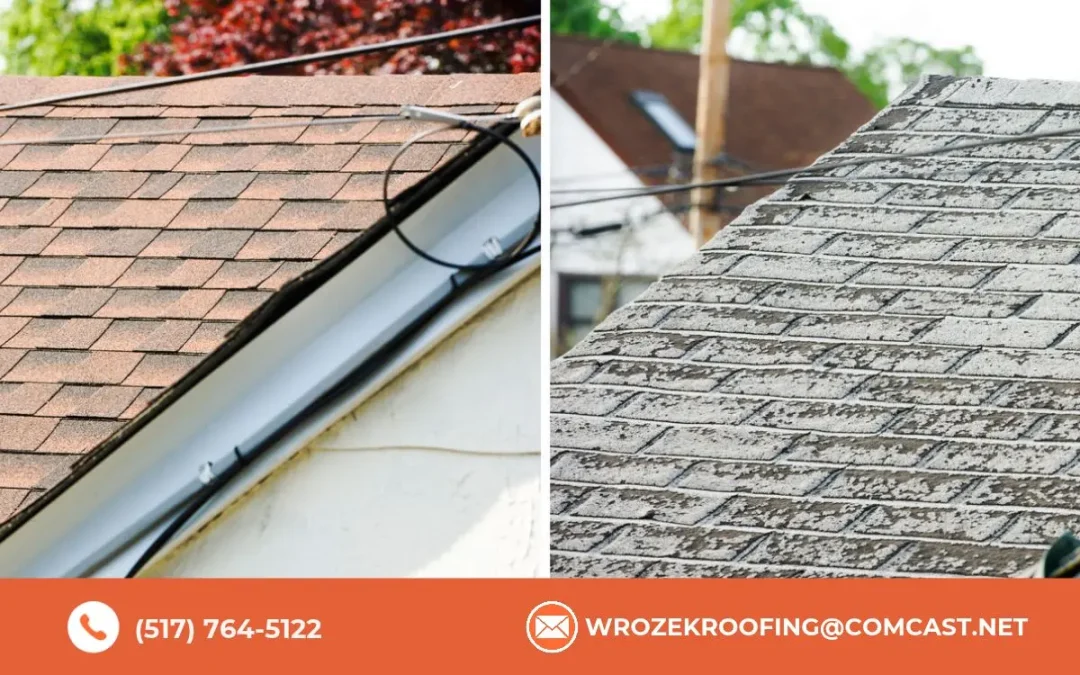
When a storm rolls through Jackson County, most of the damage is decided before and after the weather itself. The 24 hours before a storm are your chance to document your roof and reduce avoidable risk. The 24 hours after are when you stay safe, protect the home from further harm, and set up an emergency roof inspection and an insurance claim. Handled well, these two windows can limit repair costs, strengthen your claim, and keep a small problem from becoming a major one.
Why Timing Matters So Much for Storm Damage Roof Repair
A roof rarely fails all at once however wind lifts a few shingles, while hail bruises the surface. A branch cracks the flashing around a vent. None of it may look dramatic from the driveway, but every opening gives water a path into the attic, insulation, and ceiling. That’s what a storm damage roof repair
That is why time is the most important factor in storm damage roof repair. Wet insulation loses its value, decking can soften, and mold can begin to develop within days if moisture stays trapped. Insurers also tend to expect prompt reporting and reasonable steps to prevent further damage, although the specifics depend on your policy. The good news is that you control more than you think. Preparation before the storm and a calm, ordered response afterward make a real difference.
The 24 Hours Before a Storm: Prepare and Document
If a severe storm is forecast for Jackson, Michigan, use the day before to get your home ready and your records in order.
- Photograph your roof’s current condition. Take dated photos or short videos of every slope, the gutters, siding, chimney, and any roof vents. Look at ceilings in upper rooms and the attic if you can reach it safely. These images show what your roof looked like before the storm, which makes it much easier to demonstrate what changed.
- Check from the ground. From the yard, look for loose or lifted shingles, sagging gutters, damaged flashing, and branches hanging over the roof. Do not climb onto the roof to inspect it, especially with wet or windy weather approaching.
- Clear gutters and downspouts. Clogged gutters can push water back under shingles and along the roof edge. Clearing debris helps water move away from the house.
- Reduce nearby hazards. Secure outdoor furniture, grills, and loose items that could be thrown against the house. If a tree limb is already dead or leaning toward the roof, have it evaluated by a professional rather than trimming it yourself in unsafe conditions.
- Gather your insurance information. Keep your policy number, your agent’s phone number, and your claim process instructions somewhere you can reach if the power goes out.
- Know who you will call. Having a trusted local roofer’s number saved before the storm means you will not be searching in a hurry afterward, when out-of-town crews often start knocking on doors.
The 24 Hours After a Storm: Protect, Document, and Call
Once the weather has passed, the order of your actions matters.
- Put safety first. Stay off the roof. Keep clear of downed power lines, standing water near the house, and any area where ceilings or walls look compromised. If you see sparks, smell gas, or suspect structural damage, call emergency services.
- Document everything. Photograph visible damage from the ground, such as missing shingles, dented gutters, damaged siding, and debris on the roof. Inside, photograph water stains, drips, bulging ceiling drywall, and wet insulation. Note the date and time. Compare your images with the pre-storm photos if you have them.
- Prevent further damage. If water is entering the home, move belongings, place buckets, and protect floors. A temporary cover or tarp from a qualified contractor can keep rain out until a permanent fix is possible. Keep every receipt, since many policies expect reasonable efforts to limit additional loss.
- Contact your insurance company. Report the damage promptly and ask what documentation they need. You do not need to wait for repairs to be finished to begin a claim.
- Schedule an emergency roof inspection. A licensed roofing contractor can safely get on the roof, identify storm damage you cannot see from below, and explain what needs urgent attention versus what can wait. A professional inspection with photos is also valuable documentation for your claim.
- Avoid signing anything in a rush. After a storm, some contractors go door to door offering immediate deals or asking for large deposits. Take time to verify licensing, insurance, local references, and a written estimate before you commit.
Emergency Roof Repair vs. Permanent Storm Damage Roof Repair
These are two different stages, and understanding the difference helps you plan. Emergency roof repair is about stopping the damage from getting worse. This usually means tarping an exposed area, sealing an active leak, or covering a damaged section so rain and wind cannot do more harm. It is temporary by design.
Storm damage roof repair is the permanent solution. It may involve replacing damaged shingles, repairing or replacing flashing, restoring underlayment or decking, or, if the damage is widespread or the roof is already near the end of its life, a full roof replacement. A good contractor will explain both stages clearly, show you photos of the damage, and tell you honestly whether you need a repair or a replacement.
Signs You Need an Emergency Roof Inspection
Call for an emergency roof inspection if you notice any of the following after a storm:
- Missing, curled, cracked, or creased shingles
- Shingle granules collecting in gutters or at downspouts
- Dents or dings on vents, flashing, or gutters
- Water stains, drips, or bubbling paint on ceilings or walls
- Daylight visible through the attic ceiling
- Sagging areas on the roofline
- Debris or fallen branches on the roof
- Damaged or loose chimney flashing
Even if you see nothing obvious, an older roof or a severe storm is a good reason for an inspection. Some damage, especially from hail, is easy to miss from the ground.
What to Expect From Emergency Roof Repair After Storm Damage
Knowing the process helps you stay in control during a stressful time.
- The call. You describe what happened and any active leaks. A local roofer should be able to prioritize urgent situations.
- The assessment. A trained roofer inspects the roof, flashing, decking, and interior signs of water entry, and documents findings with photos.
- The immediate fix. If needed, the crew tarps or seals vulnerable areas to stop water from entering.
- The explanation. You receive a clear, written breakdown of recommended permanent repairs, the materials involved, and the timeline.
- Insurance support. A contractor experienced with claims can provide documentation and explain scope so you understand what is covered and what is not.
- The permanent repair. Once the claim is moving and materials are selected, the crew completes the repair or replacement and cleans up the property.
How to Choose the Best Roofing Company in Jackson, MI
People often search for the best roofing company in Jackson, MI right after a storm, when decisions feel urgent. Rather than relying on a ranking, use a short checklist you can verify in minutes:
- Local track record. How long has the company served Jackson County, and can they point to completed jobs in your area?
- Licensing and insurance. Ask for proof of both, and keep a copy.
- Manufacturer certification. Credentials such as Atlas PRO+ Gold show meeting standards that many roofers do not.
- Reviews and references. Read recent reviews and ask for the names of past customers you can contact.
- Written estimates. The estimate should list materials, scope, timeline, and warranty terms in plain English.
- Warranty backing. A strong warranty means little if the company disappears. Local ownership and a long history make it easier to be confident.
- Emergency availability. Storm damage does not wait, so ask how quickly they respond.
- Insurance experience. A roofer who understands claims can save you time and confusion.
Wrozek Roofing has served Jackson County since 1994 and has protected more than 5,000 homes. The team is Atlas PRO+ Gold certified, offers emergency response within 24 hours, assists with insurance claim paperwork, and carries a 4.7-star rating across more than 100 reviews. As a family-owned local business, the owner’s name is on every truck, job, and guarantee.
Frequently Asked Questions
What should I do first after roof storm damage?
Put safety first and stay off the roof. Then photograph the damage, protect the interior from water, contact your insurance company, and schedule a professional inspection.
How quickly should I call for emergency roof repair after storm damage?
As soon as it is safe. Water entering the home can cause damage within hours and long-term problems within days, so a fast response limits repair costs.
Should I call my insurance company or a roofer first?
Both should happen quickly. Many homeowners call their insurer to open the claim and a local roofer to inspect and, if needed, tarp the roof. The inspection photos can support your claim.
Can I tarp my own roof?
It is risky. Wet, damaged roofs are slippery and may be structurally compromised. A professional crew can secure the area safely and properly.
Is an emergency roof inspection worth it if I cannot see damage?
Yes. Hail and wind can cause damage that is hard to spot from the ground, and finding it early prevents leaks and may support a timely insurance claim.
Will my insurance cover storm damage roof repair?
It depends on your policy, the cause of the damage, and your coverage terms. Report the damage promptly and keep documentation. A contractor experienced in claims can help you understand the process.
How do I avoid storm-chasing contractors?
Be cautious of anyone who arrives unsolicited, pressures you to sign immediately, or asks for a large upfront payment. Verify licensing, insurance, and local references first.
Need an Emergency Roof Inspection in Jackson County?
If a storm has damaged your roof, or one is on the way, do not wait for a small leak to become a large repair. J. Wrozek Roofing offers emergency roof repair, storm damage roof repair, and free estimates throughout Jackson County, MI. Call (517) 764-5122 or request an estimate online, and get honest advice from a local team that has been protecting homes since 1994.