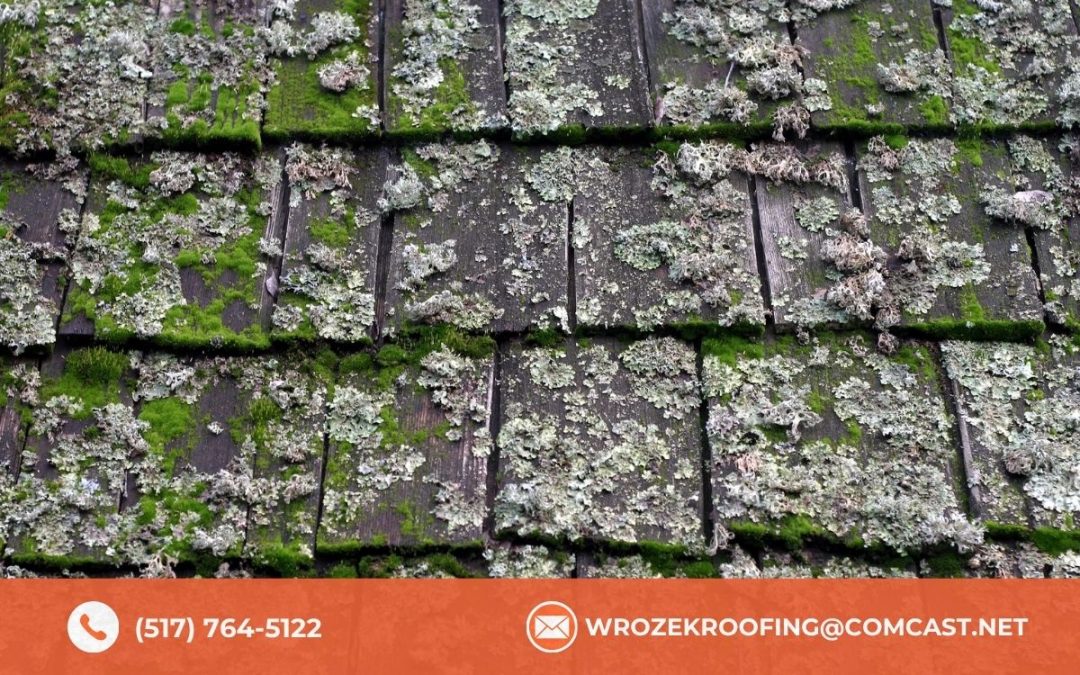
Moss, algae, and lichen can gradually develop on a roof when moisture, shade, and organic debris create favorable conditions. What may begin as a small patch can spread across shingles and become more difficult to manage over time. For homeowners who notice moss on shingles, understanding why it develops and how it affects roofing materials is important for preventing avoidable damage.
The question of whether moss on roofs is harmful depends on the amount of growth, the condition of the shingles, and how long the problem has been present. While a small amount of surface growth may initially be more cosmetic than structural, established moss, algae, or lichen can interfere with the roof’s ability to shed water and may contribute to premature deterioration.
Why Is Moss Growing on the Roof?
The phrase moss growing on roof surfaces usually describes a moisture problem as much as it describes an organic growth problem. Moss prefers damp, shaded environments, which means roof sections beneath trees, north-facing slopes, and areas with limited sunlight are particularly susceptible. Leaves, branches, and other debris can trap additional moisture against shingles, allowing moss to establish itself and spread.
Roof drainage can also influence how quickly moss develops. Gutters that are clogged, damaged shingles that allow moisture to linger, or areas with poor airflow may prevent the roof from drying properly after rainfall. Once moss growing on roof surfaces becomes established, the growth itself can retain moisture, creating conditions that encourage it to spread further.
Is Moss on Shingles Harmful to Your Roof?
When homeowners ask is moss on roof harmful, the answer depends on whether the growth is limited to the surface or has begun affecting the roofing materials. Moss can hold moisture against shingles for extended periods, and established growth may work beneath shingle edges. As shingles become lifted or displaced, water can find pathways underneath the roofing surface and potentially reach the underlying layers.
This does not mean every instance of moss on shingles requires a roof replacement. The age and condition of the roof, the amount of moss present, and any existing damage all need to be considered. A small area of moss may be addressed through appropriate maintenance, while widespread growth combined with deteriorating shingles may require professional repair or further evaluation.
How Moss on Shingles Can Cause Damage
The primary concern with moss on shingles is the combination of moisture retention and physical growth. Moss can grow around shingle edges and between roofing materials, gradually affecting how securely the shingles lie against the roof. On an older roof, continued moisture exposure can accelerate existing deterioration and make vulnerable areas more susceptible to leaks.
Homeowners should also be careful about how they remove moss on shingles. Scraping aggressively or using high-pressure washing equipment can remove protective granules from asphalt shingles and damage their surface. Even when the moss itself is successfully removed, improper cleaning can leave the roofing material in worse condition than before.
How Algae Affects Roof Shingles
Algae is another common form of organic growth found on asphalt roofs. It often appears as dark green, blue-green, or black streaks running down shingles, particularly on roof slopes that remain damp or receive limited sunlight. Unlike heavy moss growth, algae usually does not lift shingles, but widespread algae growth can affect the appearance of the roof and indicate that moisture is remaining on the surface.
Algae-resistant shingles can help reduce the likelihood of persistent staining, but they are not completely protected from environmental conditions. If trees shade the roof, debris accumulates on the shingles, or water does not drain efficiently, algae can still develop. Addressing these conditions can help reduce recurring algae growth and support better long-term roof maintenance.
How Lichen Can Affect a Roof
Lichen can be identified by its crusty, leafy, or branching appearance and may develop alongside moss and algae. Because lichen attaches firmly to roofing materials, established growth can be more difficult to remove without disturbing the surface underneath. This is particularly important on older asphalt shingles that may already have lost some of their protective granules.
If moss growing on roof surfaces is accompanied by lichen, simply removing the visible growth may not solve the underlying problem. The roof should also be evaluated for moisture retention, shade, debris, and damaged shingles. Treating the environmental conditions that support organic growth can help reduce the likelihood of the problem returning.
Signs That Moss and Other Roof Growth Are Becoming a Problem
Not every patch of moss, algae, or lichen indicates serious roof damage. However, the extent of the growth and the condition of the shingles should be considered together. If moss on shingles has spread across multiple areas or appears alongside visible shingle deterioration, the roof deserves closer attention rather than simply being treated as a cosmetic issue.
Watch for these signs:
- Moss on shingles spreading across large or multiple sections of the roof.
- Moss growing on roof surfaces where shingles appear lifted, curled, cracked, or displaced.
- Persistent moisture, leaves, or debris collecting around areas of organic growth.
- Missing or deteriorating shingles beneath established moss or lichen.
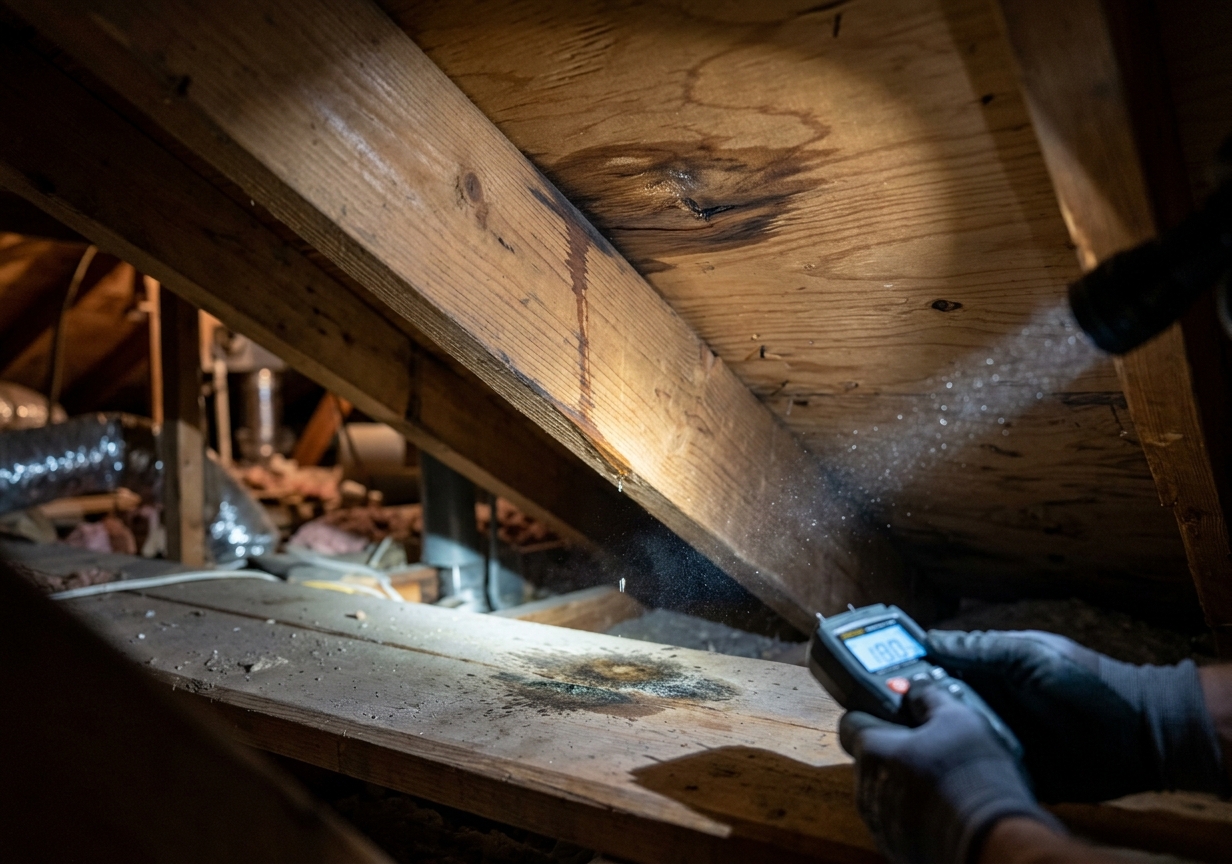
- Water stains, damp areas, or signs of leakage inside the attic or upper levels of the home.
These conditions can indicate that the roof requires more than basic surface cleaning. If you are wondering is moss on roof harmful, the presence of damaged shingles, moisture intrusion, or widespread growth provides a stronger reason to arrange a professional inspection.
How to Prevent Moss Growing on Your Roof
Reducing moisture and shade is one of the most effective ways to limit moss growing on roof surfaces. Tree branches that heavily shade the roof can be trimmed where appropriate to increase sunlight and airflow. Keeping leaves, twigs, and other organic debris from accumulating on shingles can also prevent moisture from remaining against the roofing material.
Proper drainage is equally important. Gutters and downspouts should be kept clear so rainwater can move away from the roof efficiently. Regular inspections can also identify damaged shingles, drainage problems, and other conditions that may encourage moss on shingles to return after cleaning.
How Should You Remove Moss From Shingles?
Removing moss on shingles requires more care than simply scrubbing the roof or using a pressure washer. Aggressive cleaning can loosen shingles, remove protective granules, and damage roofing materials. The appropriate treatment depends on the type of shingles, their age, their condition, and how firmly the moss has become established.
It is also important to address why the moss growing on roof developed in the first place. If heavy shade, trapped debris, poor drainage, or persistent moisture remains after cleaning, new growth may quickly appear. Effective roof maintenance therefore involves both safely treating the existing moss and correcting the conditions that support its growth.
When Should You Have Your Roof Inspected?
A professional inspection is particularly useful when moss on shingles has become widespread, the roof is older, or visible damage is present. A roofing professional can assess areas that may be difficult to evaluate from the ground and determine whether the growth has affected the shingles or underlying roofing system.
An inspection can also answer the question is moss on roof harmful in relation to your specific roof rather than relying on a general assumption. Some roofs may only need careful cleaning and preventative maintenance, while others may have damaged or deteriorating shingles that require repair. Evaluating the actual condition of the roof helps determine the appropriate next step.
Protect Your Roof From Moss, Algae, and Lichen
Moss, algae, and lichen can affect a roof in different ways, but persistent organic growth should not be ignored. Moss on shingles can retain moisture and interfere with shingle placement, while algae can create widespread staining and lichen can attach firmly to roofing materials. The longer moss growing on roof surfaces is allowed to spread, the more important it becomes to evaluate both the growth and the condition of the shingles.
If you are asking is moss on roof harmful, look beyond the appearance of the growth and consider whether shingles are lifting, deteriorating, or allowing moisture to enter the roofing system. Contacting J. Wrozek Roofing & Home Imp. for regular roof inspections, proper drainage, vegetation management, and careful moss removal can help protect the roof and address organic growth before it develops into a more significant roofing concern.