A roof inspection involves much more than simply climbing a ladder and looking for missing shingles. Professional roofing contractors use specialized tools and proven inspection techniques to identify hidden damage, evaluate the condition of roofing materials, and detect issues that may not be visible from the ground. Whether you’re scheduling a routine professional roof inspection, responding to storm damage, or preparing to buy or sell a home, understanding the tools used during the process can help you appreciate the value of a thorough assessment. A detailed inspection helps catch small problems early, extending your roof’s lifespan while preventing costly repairs in the future.
Why Professional Roof Inspections Require More Than a Visual Check
While homeowners can spot obvious issues like missing shingles or fallen tree branches, many roofing problems develop beneath the surface. Moisture intrusion, deteriorating flashing, damaged underlayment, poor ventilation, and loose fasteners often go unnoticed without the proper equipment. During a professional roof inspection, contractors evaluate the entire roofing system, including shingles, flashing, valleys, chimneys, vents, gutters, attic ventilation, fascia, and structural components. Using the right tools allows inspectors to identify potential problems before they become expensive leaks or structural damage, giving homeowners a complete understanding of their roof’s condition.
Essential Tools Used During a Professional Roof Inspection
Professional roofing contractors rely on specialized equipment to inspect every part of the roofing system accurately and safely. Common inspection tools include:
- Extension ladders and roof safety equipment for secure roof access.
- Moisture meters to detect hidden water damage beneath roofing materials.
- Flashlights and inspection mirrors for examining attics, roof penetrations, and tight spaces.
- Measuring tape and pitch gauges to verify roof dimensions and slope.
- Binoculars or camera zoom lenses for safely viewing hard-to-reach roof sections from the ground.
- Chalk or marking tools to identify damaged areas during the inspection.
- Inspection cameras or drones (when appropriate) to document larger or difficult-to-access roofing systems.
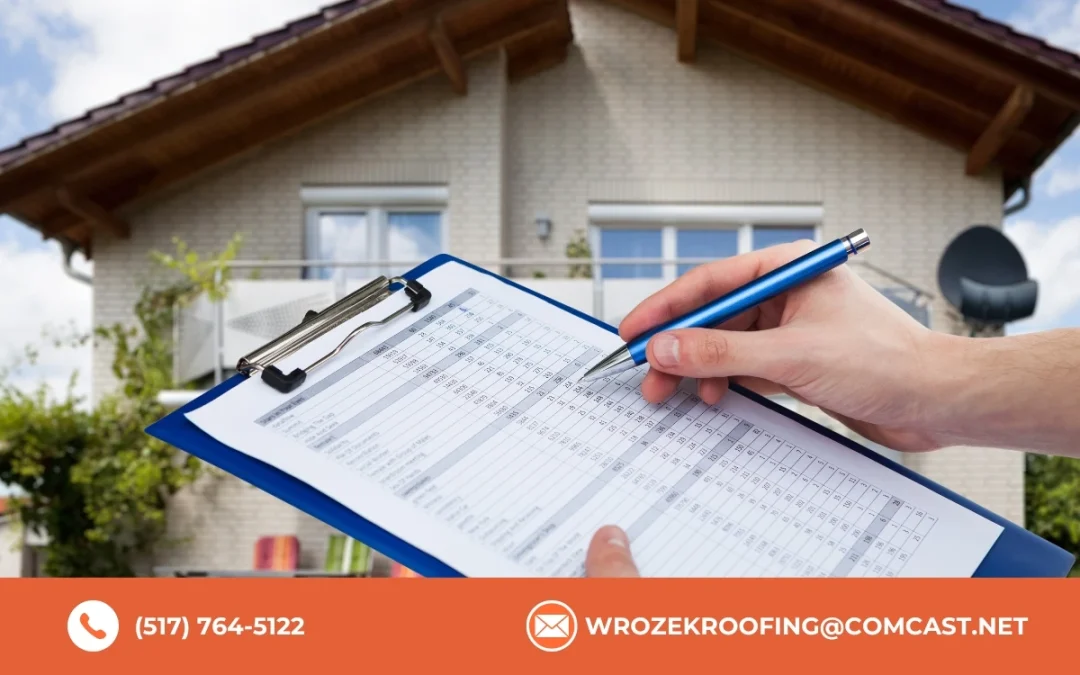
- Digital tablets or inspection software to record findings, photos, and repair recommendations.
These tools help contractors perform a thorough Roof and Shingles Inspection while providing homeowners with clear documentation of any issues discovered.
How Roofing Contractors Inspect Shingles and Roofing Materials
Shingles are the first line of defense against rain, wind, snow, and sunlight, making them one of the most closely examined parts of any inspection. Contractors look for cracked, curled, blistered, or missing shingles, along with signs of granule loss that indicate aging asphalt roofing materials. They also inspect ridge caps, roof valleys, flashing, vents, skylights, chimneys, and exposed fasteners for damage or deterioration. During a complete Roof and Shingles Inspection, professionals assess whether isolated repairs are sufficient or if widespread wear suggests the roof is approaching the end of its expected lifespan. Evaluating these components together provides a more accurate picture of the roof’s overall condition.
Why Attic Inspections Are Part of Every Roof Evaluation
Many roofing problems reveal themselves inside the attic long before they become visible on the roof’s surface. A professional inspector checks for water stains, mold growth, damp insulation, daylight entering through the roof deck, inadequate ventilation, and signs of wood deterioration. These findings often point to hidden leaks or ventilation issues that cannot be identified by examining shingles alone. Proper attic airflow also helps prevent moisture buildup, excessive heat, and winter ice dam formation. Including the attic in a professional roof inspection ensures contractors evaluate the entire roofing system instead of only the materials exposed to the weather.
When Is a Quick Roof Inspection the Right Choice?
Not every roofing concern requires an extensive evaluation. A quick roof inspection is often the best option after a minor storm, before purchasing a home, following seasonal weather changes, or when homeowners notice early warning signs such as a few missing shingles or debris on the roof. During a quick inspection, contractors assess the roof’s overall condition, look for visible damage, examine gutters and flashing, and identify any concerns that may require a more detailed evaluation. While it isn’t intended to replace a comprehensive inspection, a quick assessment provides valuable peace of mind and helps determine whether immediate repairs or further investigation are necessary.
When Should You Schedule an Emergency Roof Inspection?
Some roofing problems require immediate attention to prevent additional damage to your home. An emergency roof inspection is recommended after severe storms, hail, fallen trees, high winds, or whenever water begins leaking into the home. Prompt inspections help identify compromised shingles, damaged flashing, punctures, structural concerns, and areas where water may continue entering the property. Acting quickly can reduce repair costs by preventing moisture from spreading into insulation, drywall, ceilings, and structural framing. Emergency inspections also provide homeowners with detailed documentation that may be helpful when filing insurance claims after storm-related damage.
Get Your Roof Inspected Today!
From moisture meters to drones, explore how we do professional roof inspection in the Jackson County, MI.
Serving homeowners throughout Jackson County since 1994
What Happens During a Free Estimate Roof Inspection?
Many homeowners hesitate to schedule an inspection because they assume it automatically leads to costly repairs. In reality, a Free estimate roof inspection is designed to provide homeowners with a clear understanding of their roof’s condition without any obligation. After completing the inspection, contractors explain their findings, review photographs of any damaged areas, discuss available repair or replacement options, and provide a written estimate outlining recommended work. This transparent process allows homeowners to compare solutions, understand repair priorities, and make informed decisions based on their budget rather than feeling pressured into immediate repairs.
Why Regular Roof Inspections Protect Your Investment
Routine roof inspections are one of the most cost-effective ways to extend the life of your roofing system. Small issues such as loose flashing, damaged shingles, clogged gutters, deteriorating sealants, or minor ventilation problems can often be corrected quickly before they develop into expensive structural repairs. Annual inspections, along with additional evaluations following severe weather, help maintain your roof’s performance throughout every season. Preventative maintenance not only reduces unexpected repair costs but also improves energy efficiency, protects your home’s interior, and maximizes the return on your roofing investment for years to come.
Schedule a Professional Roof Inspection Before Small Problems Become Big Repairs
Your roof protects everything beneath it, making regular inspections one of the smartest investments you can make as a homeowner. Whether you need a routine Professional Roof Inspection, a quick roof inspection after a storm, or an emergency roof inspection following severe weather, identifying problems early helps prevent costly repairs and extends the lifespan of your roofing system. Working with an experienced local roofing contractor ensures every part of your roof—from shingles and flashing to gutters, ventilation, and the attic—is carefully evaluated. With a detailed inspection and a Free estimate roof inspection, you’ll have the information needed to protect your home with confidence.
Frequently Asked Questions
How long does a professional roof inspection take?
Most residential roof inspections take 45 minutes to 2 hours, depending on the roof’s size, complexity, accessibility, and overall condition.
What does a professional roof inspection include?
A Professional Roof Inspection typically includes evaluating shingles, flashing, roof valleys, chimneys, vents, gutters, attic ventilation, fascia, soffits, structural components, and any visible signs of water damage or deterioration.
Should I have my roof inspected after every storm?
After severe storms involving hail, high winds, falling branches, or heavy rain, scheduling an inspection is recommended to identify hidden damage before it leads to leaks or structural problems.
Can a roof inspection detect hidden leaks?
Yes. Professional inspectors use experience and specialized tools to identify moisture intrusion, damaged flashing, ventilation problems, deteriorated roofing materials, and other issues that may not be visible from the ground.
How often should I schedule a roof inspection?
Most roofing professionals recommend scheduling a roof inspection at least once a year, as well as after significant storms or before buying or selling a home.