
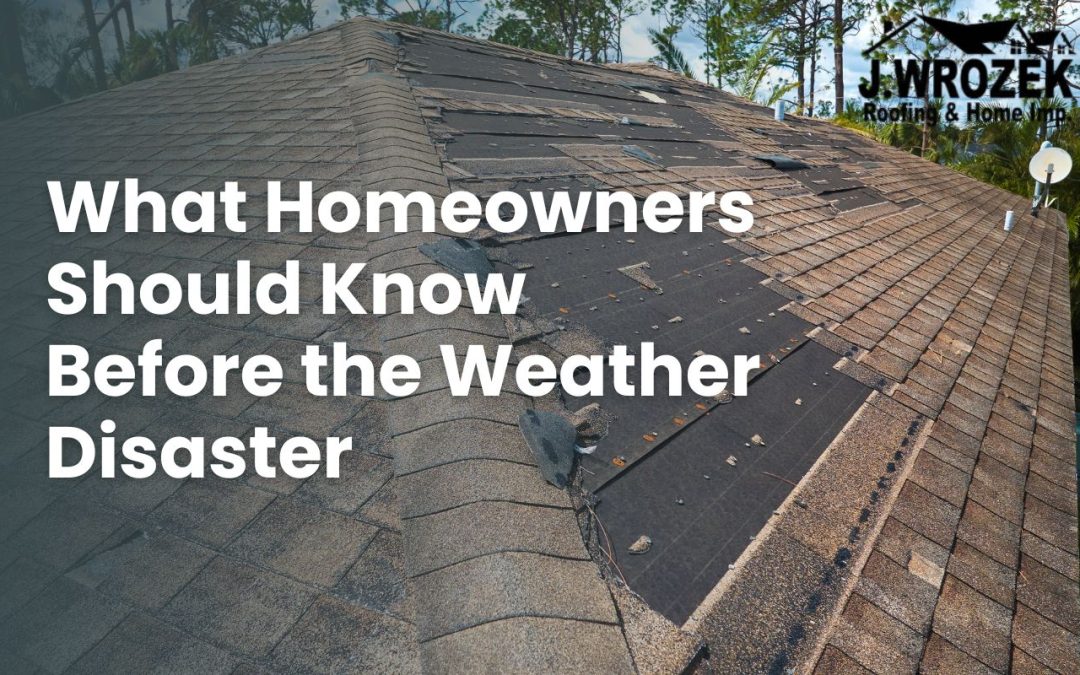
Severe weather in Michigan can arrive without warning, and when it does, your roof becomes the first and most important line of defense. High winds, hailstorms, heavy rainfall, and rapid temperature changes can quietly weaken roofing systems long before visible damage appears. Many homeowners in Jackson only recognize a problem when water starts dripping inside or shingles begin to fall away. By that stage, minor damage has often developed into a serious structural concern.
Understanding how storms affect your roof and knowing what signs to look for can prevent costly repairs later. Preparation is not only about responding to damage but also about recognizing early vulnerabilities. When homeowners stay informed, they can protect their property, reduce long-term expenses, and act quickly if emergency roof repair becomes necessary after extreme weather.
Why Roofs Fail During Severe Weather
Roofing systems are designed to withstand harsh conditions, but no material is immune to repeated exposure. Wind places stress on shingle edges, lifting and loosening them over time. Rain tests the roof’s waterproofing layers, especially around seams, vents, and flashing. Hail weakens protective surfaces, while temperature changes cause expansion and contraction that gradually degrade materials.
What makes weather damage dangerous is that it rarely happens all at once. Small vulnerabilities form quietly, allowing moisture to enter the structure little by little. Over weeks or months, this moisture weakens wood decking, damages insulation, and encourages mold growth. By the time a homeowner notices a leak, the roof system may already be compromised internally.
What Hail Damage Looks Like on Asphalt Shingles
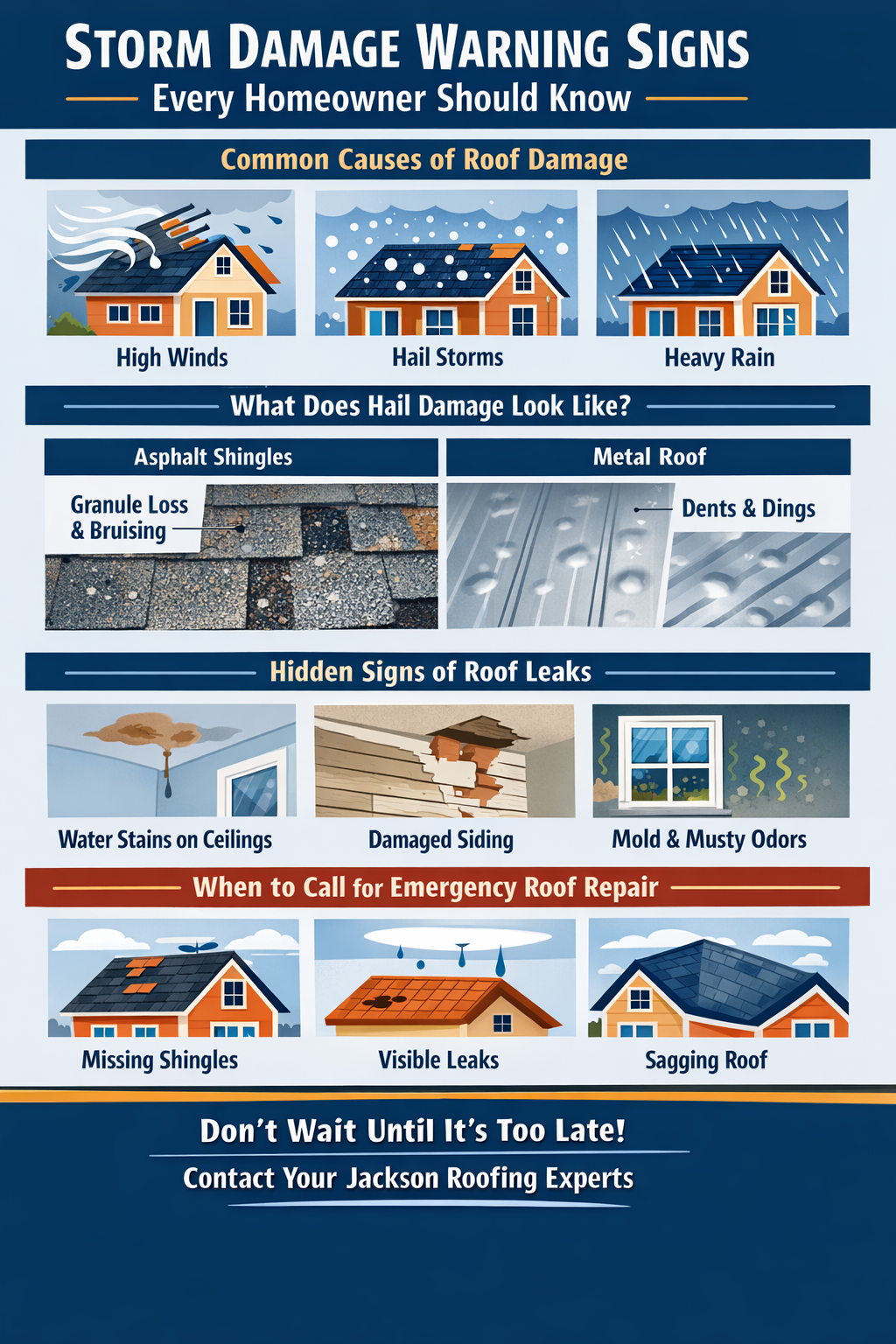
Many homeowners struggle to identify storm-related wear because it does not always appear dramatic. What does hail damage look like on a roof depends on both the size of the hailstones and the type of roofing material. On asphalt shingles, hail often strips away protective granules, leaving darker patches where the asphalt mat is exposed.
These areas may feel soft to the touch and appear uneven when compared to surrounding shingles. Granules can also accumulate in gutters after storms, signaling surface deterioration. Over time, exposed shingles lose their ability to repel water effectively, increasing the risk of slow leaks that can go unnoticed until interior staining appears.
Hail Damage on a Metal Roof: What to Watch For
Hail damage on a metal roof usually presents as visible dents or surface dimples across panels. While metal roofing is durable, repeated impacts can weaken protective coatings and expose the metal to corrosion. Damage near seams and fasteners is especially concerning because these areas are critical for keeping water out.
Even when metal roofs do not leak immediately, compromised protective layers can shorten their lifespan. Moisture can eventually seep through loosened seams, leading to hidden water intrusion beneath the panels. Professional inspection after severe hailstorms is essential to determine whether damage is cosmetic or structural. For more on how Michigan’s climate affects roofing systems, see our guide on how Michigan weather impacts roofs.
How to Tell If Your Roof Has Hail Damage
Determining storm damage is not always straightforward, especially from the ground. However, several indicators suggest your roof may have been affected. Homeowners should pay attention to unusual roof discoloration, dented gutters, scattered debris around the property, or granules collecting at downspouts.
Water stains on ceilings or walls weeks after a storm can also point to roof damage that was not immediately visible. Knowing how to tell if your roof has hail damage allows you to address small issues before they evolve into leaks that require urgent intervention.
The Long-Term Risk of Damaged Roof Shingles
Damaged roof shingles create entry points for water. Once moisture penetrates beneath the shingle layer, it travels along the underlayment and into roof decking. This can lead to wood rot, weakening the structural integrity of the roof.
As shingles deteriorate further, they become more vulnerable to wind uplift during future storms. What begins as a few compromised shingles can escalate into widespread roof failure. Timely inspection and maintenance are critical for preventing progressive damage and avoiding sudden roof emergencies.
Can Roofing Leaks Damage Siding and Exterior Walls
Roof leaks do not stop at the roofline. Water that escapes beneath shingles can travel down the exterior walls, seeping behind siding and into wall cavities. Over time, this moisture can cause swelling, discoloration, and decay in siding materials. Many homeowners are surprised to learn that roofing leaks can damage siding and compromise the building envelope.
When water infiltrates siding, it may also affect insulation and interior drywall. This hidden moisture creates ideal conditions for mold growth and structural deterioration. Addressing roof leaks early protects not only the roof but also the exterior and interior components of the home. Learn more about your options in our roof leak repair guide.
Why Small Leaks Become Big Structural Problems
Minor leaks often go unnoticed because they do not immediately cause visible interior damage. However, slow moisture intrusion gradually weakens framing materials and insulation. Wood rot compromises the roof deck’s ability to support weight, increasing vulnerability during snow accumulation or heavy rainfall.
Over time, repeated wetting and drying cycles degrade roofing materials further. This process accelerates wear and shortens the roof’s lifespan. What might have been resolved with a targeted repair can become a major renovation if left unattended.
Why Post-Storm Inspections Are Essential
After severe weather, a professional roof inspection provides clarity about the condition of your roofing system. Trained roofers can identify subtle damage that homeowners may overlook, including lifted shingles, compromised flashing, and hidden punctures.
Early assessment allows for timely repairs that prevent further deterioration. Waiting until leaks appear increases repair costs and extends downtime for homeowners dealing with water damage inside the home.
When Emergency Roof Repair Becomes Necessary
Certain situations demand immediate action. Missing shingles, visible punctures, sagging roof sections, or sudden interior leaks following storms indicate structural compromise. In these cases, emergency roof repair in Jackson becomes essential to prevent water intrusion from spreading throughout the home.
Prompt intervention stabilizes the roof and limits damage to interior spaces. Temporary protective measures can be installed quickly while permanent repairs are planned. Delaying response during emergencies exposes the home to ongoing weather exposure, compounding damage with every rainfall.
Preparing Your Roof Before Storm Season
Proactive maintenance significantly reduces the risk of severe damage. Regular inspections help identify early wear, while timely replacement of aging materials strengthens the roof’s resistance to storms. Clearing gutters ensures proper drainage, reducing water buildup around roof edges.
Homeowners should also address minor issues such as cracked flashing or loose shingles before storm season begins. Preventive care strengthens the roof’s ability to withstand extreme weather and minimizes the likelihood of emergency situations.
Why Professional Roofing Assessment Matters
While homeowners can observe obvious damage, professional roofers have the tools and expertise to evaluate structural integrity. Roofing specialists understand how different materials respond to weather stress and can recommend appropriate solutions based on local climate conditions.
Professional assessment also ensures repairs meet safety and quality standards. This protects not only the home but also the homeowner’s long-term investment by preserving property value and structural stability.
Want to get ahead of storm season? Contact J. Wrozek Roofing to schedule a professional roof inspection.
Final Thoughts
Weather disasters are unpredictable, but preparation is within your control. By understanding how storms affect roofing systems, recognizing early warning signs, and scheduling professional inspections, homeowners can prevent small vulnerabilities from becoming major problems.
Addressing issues early reduces roof repair costs, protects interior spaces, and extends the life of the roof. When damage does occur, acting quickly ensures your home remains secure, dry, and structurally sound long after the storm has passed.